Menu

Call This Thursday Get $50 Off Today
24 Hour Services
7 Days a Week
Call This Thursday Get $50 Off Today
24 Hour Services
7 Days a Week
An expansion tank is a small tank that protects closed and domestic water heating systems from excessive pressure. The changes in pressure inside the expansion tank can bring about the degradation of the water heating system and cause leaks.
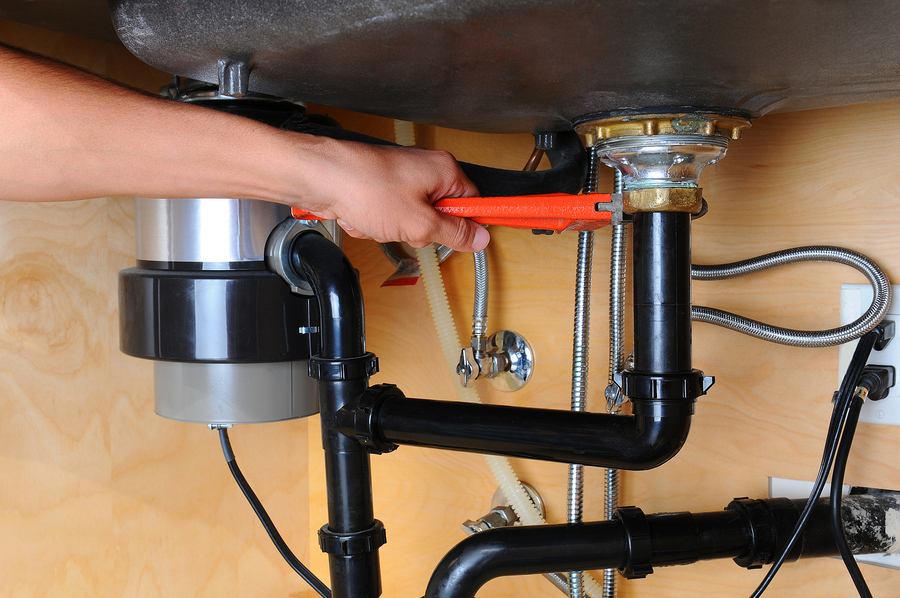
You will need the following tools to fix and repair your expansion tank by yourself at home, pipe wrench, Teflon tape, soapy water, blow dryer, a towel, plumber’s in Los Angeles, CA putty, and a garden hose. Follow the procedures below and fix your expansion tank leak in no time.
Using the towel or the blow dryer, dry off the outside of the tank and visually inspect the surface for any leaks. If locating the leak proves difficult, apply the soapy water on the extension tank and watch out for air bubbles. Once you identify the leak, you can then start the repair work.
Before you begin the repair works of the leak on the expansion tank, switch off the power to your water heating system and disconnect all the electric plugs. If your water heating system is gas-powered, turn it off the gas feed. Shut off the water supply into the extension tank from the main heating tank then using the garden hose, drain the water from the extension tank. If you lack a garden hose, use a bucket to hold the water from the extension tank.
There are three types of leaks possible on the extension tank
1. Circulatory Leak.
Remove the intake pipe from the main heating tank to the circulatory and remove the circulatory pump completely from the heating unit. Replace the gasket and re-install the circulatory pump by first wrapping the threads with Teflon tape and using two pipe wrenches to tighten the pump. Cover the pipe’s threads with Teflon tape and use the two pipe wrenches to tighten it in place.
2. A faulty pressure relief valve.
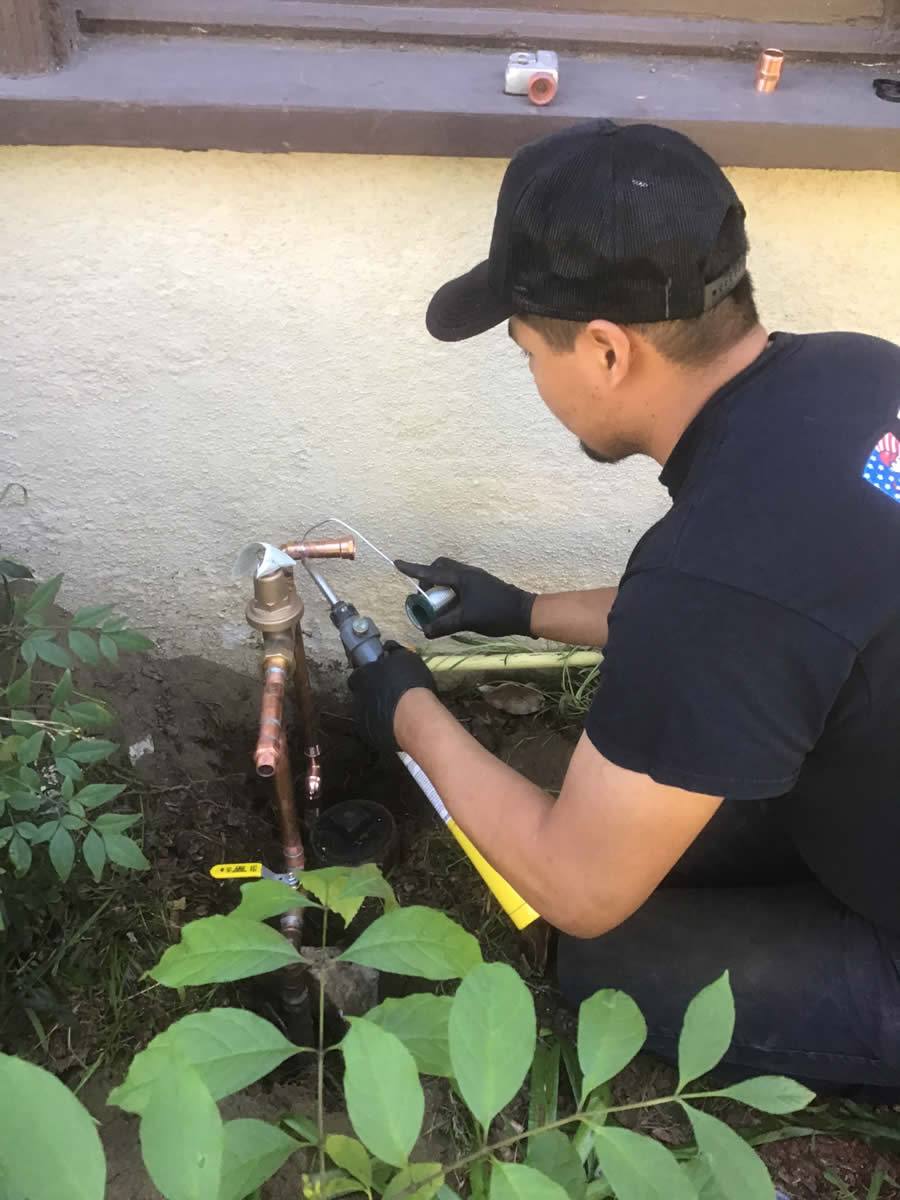
For this type of leak, the pressure relief valve will require replacing. Shut off the water feed valve and then replace the pressure relief valve using the two pipe wrenches.
3. Leaking Pipe Connection.
The only way to fix this type of leak is by opening the pipe joints and dry any water around the joints. With a cleaning agent and a scratcher pad, preferably plastic, carefully clean the threads on the pipe and joints. Cover the threads of the pipe with plumber’s putty and screw into the joint.
After you have fixed the leaks, connect the water supply, and you will hear the water filling in the expansion tank. A properly charged extension tank maintains a pressure of between 10 to 12 psi. A change in pressure could indicate another leak.

A kitchen stays busy all day. When something slows down the flow of…

A good look inside a drain line tells you the truth faster than…

A sewer line problem interrupts daily life quickly. Rooter Guard sees this…

A plumbing system reaches a point where repairs stop making sense. Many homeowners…

A dead disposal can bring a busy kitchen to a stop. When that…
Water pressure can make or break your plumbing experience… almost literally. Low water pressure can make washing pots and pans a nightmare, and high water pressure can push water through joints and crevices before causing a burst pipe. Water pressure problems are sneaky and often start small, but they usually…
Learn More