Menu

Call This Thursday Get $50 Off Today
24 Hour Services
7 Days a Week
Call This Thursday Get $50 Off Today
24 Hour Services
7 Days a Week
All water heaters have a pressure relief valve. This is also known as the temperature and pressure or T&P relief valves. These valves cater to just one purpose. They track the temperature and pressure of the water inside the water heater tank and respond appropriately.
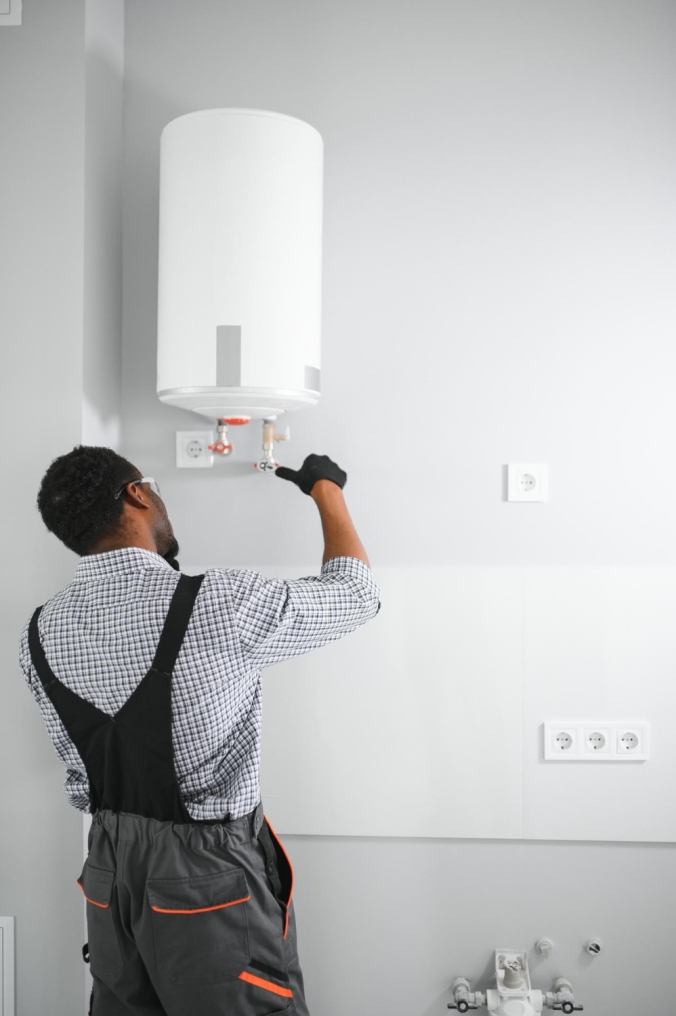
When the temperature and pressure are normal or within the bearable limit, the valve functions normally and you get the usual or expected flow of hot water. When the temperature and pressure increase, the relief valve will not operate optimally. It may start to leak. It may disrupt the flow of the hot water you are getting through the faucet. Some water heaters have the systems in place to prevent the flow of water if the pressure relief valve starts to leak or is completely damaged. All these are safety mechanisms in place for most water heaters.
When water gets heated inside the heater, it expands and naturally takes up more space thus exerting more pressure on the relief valve. In many homes, this heated water manages to dissipate some of the heat backward and hence towards the mains. The water up the pipes will get heated and all the back to the other tanks or the main supply line.
Should the heat be allowed to dissipate endlessly to the city tanks or reservoirs and the water be allowed to expand backward, the relief valve will have no function as such or will not leak. But since many people have regulators in place and water doesn’t indefinitely dissipate heat backward due to an enormous pressure to flow out of the faucet, you will have the relief valve recording high pressure and temperature. Hence, you will have water leaking from the pressure relief valve.
The solution is simple. Use the water heater at a lower setting. Turn down the thermostat so you get hot water but not as heated as it was at the time of the leak. If the valve stops leaking, then you know the pressure and temperature are optimum. If the valve still leaks, check if it needs to be replaced. Damaged relief valves will leak even when the temperature and pressure are optimal and within acceptable levels. If the valve is fine and the temperature is within acceptable limits then go for an expandable tank that can take the expanding water without exerting too much pressure on the valve.
Plumbing Services

Plumber in Inglewood, CA

A kitchen stays busy all day. When something slows down the flow of…

A good look inside a drain line tells you the truth faster than…

A sewer line problem interrupts daily life quickly. Rooter Guard sees this…

A plumbing system reaches a point where repairs stop making sense. Many homeowners…

A dead disposal can bring a busy kitchen to a stop. When that…
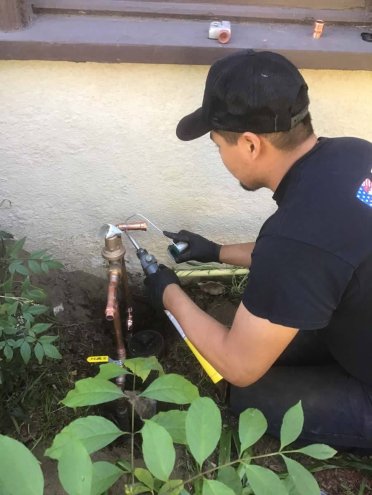
Water pressure can make or break your plumbing experience… almost literally. Low water pressure can make washing pots and pans a nightmare, and high water pressure can push water through joints and crevices before causing a burst pipe. Water pressure problems are sneaky and often start small, but they usually…
Learn More