Menu

Call This Thursday Get $50 Off Today
24 Hour Services
7 Days a Week
Call This Thursday Get $50 Off Today
24 Hour Services
7 Days a Week
A soil pipe is a drainpipe that carries off waste from toilets. This is necessary in every structure with a toilet and it needs to be changed as you continue to live in the same building. As mentioned earlier, the main function of this kind of pipe is to make sure waste is carried out into the drain.
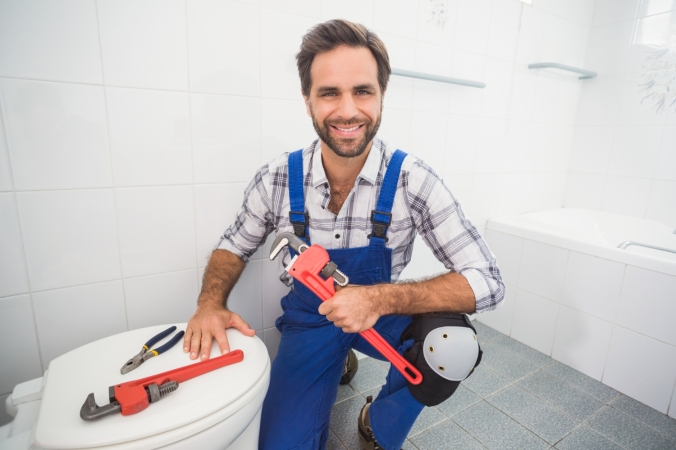
If you’re interested in installing one yourself, you have to be aware that it is a hidden part of the toilet system. Why is that the case? This pipe gets into the nearest wall or floor area from the commode rear. So if you want to replace or install a new one, you must gain access to the part that meets the sewer drains. You will also need to perform joining and adhesive work to make sure the toilet waste pipe functions as planned. Here are the steps to follow in installing a soil pipe for the toilet.
To ensure the flange has enough space, you will need to cut out the space yourself. That said, there transition of the pipeline that is beyond your visibility from the toilet area needs a hole. This is needed when you install toilet waste pipes, and since this hole isn’t usually made in a lot of constructions, it is up to you to decide where the toilet installation should be. Once you decide on where, you will need to carve out a hole so the flange can fit.
You will need to fix the flange to the surface of the floor, and you can do this using ABS glue. Once you place the flange on the floor (or the wall if you choose), it needs to be able to stand and not fall apart later on. To ensure that they are strongly affixed, you can use galvanized screws to keep them strong.
You can use a drilling machine to help with boring holes for the screws. In addition, you have to make sure the screws are inserted with much care so the flange doesn’t crack. To be more sure, only use the drill when the adhesive has dried up.
Since there are flange pieces made of plastic which will crack with a half-measure drilling, make a sound attempt by holding the flange against a flat surface. You can avoid adhesive work if the flange remains secured to the ground but also with an alternative at the juncture of its exterior circumference and the floor.
Connect the ABS elbow joint (a key feature in allowing water to pass towards the sewers) to the flange and make sure the connection fits well. Using ABS glue, connect the ABS elbow joint to the ABS sewer pipe.
Using ABS glue, connect the heads of these two pieces then pressurize for about 30 to 35 seconds. Make sure you don’t shift and hold them tightly against each other as these pipes can slip when the adhesive is still at a gluey stage. Doing this prevents dirty water from spraying inside your house in normal conditions.
Plumbing Services

A kitchen stays busy all day. When something slows down the flow of…

A good look inside a drain line tells you the truth faster than…

A sewer line problem interrupts daily life quickly. Rooter Guard sees this…

A plumbing system reaches a point where repairs stop making sense. Many homeowners…

A dead disposal can bring a busy kitchen to a stop. When that…
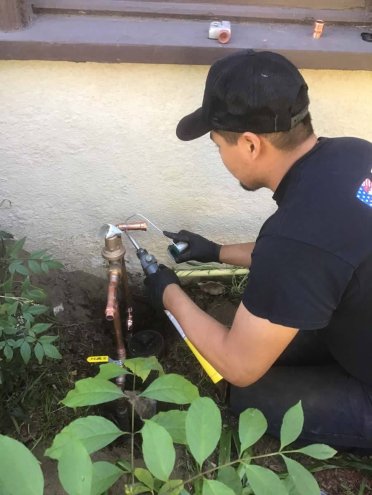
Water pressure can make or break your plumbing experience… almost literally. Low water pressure can make washing pots and pans a nightmare, and high water pressure can push water through joints and crevices before causing a burst pipe. Water pressure problems are sneaky and often start small, but they usually…
Learn More