Menu

Call This Thursday Get $50 Off Today
24 Hour Services
7 Days a Week
Call This Thursday Get $50 Off Today
24 Hour Services
7 Days a Week
Copper pipes are found in almost all structures supplied with water. Copper is a preferred metal because it has elements that are ideal for pipe work: it is abundant, it is easy to work with and it is resistant to corrosion. That said, copper is also a heat conductor. What this means is that cold air can cool down the water in the pipes so quick and hot water warms the air around it. In order to keep hot water hot and prevent cold water from freezing, insulation needs to be installed over the pipes.
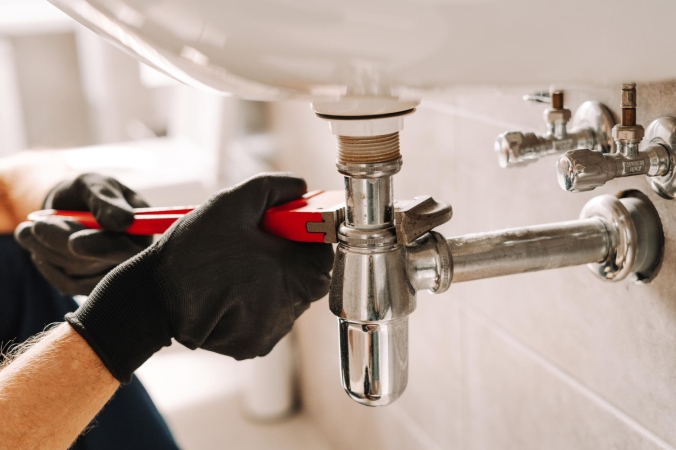
The US Department of Energy has also said that insulated hot water pipes increase water temperature by four degrees. As such, you can reduce the hot water tank temperature and save energy in the process. You can insulate your copper pipes with a material called neoprene pipe insulation wrap. It’s a prefabricated insulation material which is slitted on one side and has a self-sealing adhesive seam that can secure the slits together. Here’s a guide on how to insulate copper pipes.
1. Find out the pipe insulation size needed for your pipes. You do this by measuring the circumference of the copper pipes by wrapping measuring tape around them.
2. Determine the length of the pipe section to be insulated. Use a utility knife to cut the insulation. You can use a sharp blade to prevent burrs or jagged edges as you cut.
3. Slide the insulation wrap into the pipe. This is done by opening the slitted end of the wrap. You then use your hands to compress the insulation around the pipe to make sure it’s a tight fit.
4. Take off the adhesive tape strip. After that, press in order to seal the two slits together.
5. Add another section of insulation wrap. Use duct tape to seal the seam between two insulation wraps. After that, press the tape firmly to make sure it is sealed tightly. Repeat this step until you’ve got your pipes insulated.
Insulating your pipes isn’t just one way to guarantee that hot water stays hot or cold water doesn’t freeze. It’s also a way to ensure you’re saving energy, which is something all homeowners want.

A kitchen stays busy all day. When something slows down the flow of…

A good look inside a drain line tells you the truth faster than…

A sewer line problem interrupts daily life quickly. Rooter Guard sees this…

A plumbing system reaches a point where repairs stop making sense. Many homeowners…

A dead disposal can bring a busy kitchen to a stop. When that…
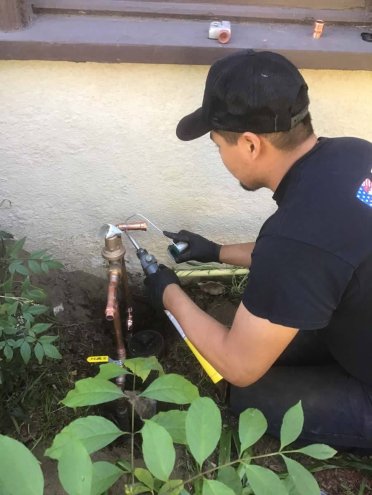
Water pressure can make or break your plumbing experience… almost literally. Low water pressure can make washing pots and pans a nightmare, and high water pressure can push water through joints and crevices before causing a burst pipe. Water pressure problems are sneaky and often start small, but they usually…
Learn More