Menu

Call This Thursday Get $50 Off Today
24 Hour Services
7 Days a Week
Call This Thursday Get $50 Off Today
24 Hour Services
7 Days a Week
Trees usually brighten up a property, and they bring several benefits for homeowners. For one thing, they provide shade during the hot summer days, helping the house and its occupants stay cool and comfortable. They also add visual interest to the garden and give it a cozy and welcoming feel.
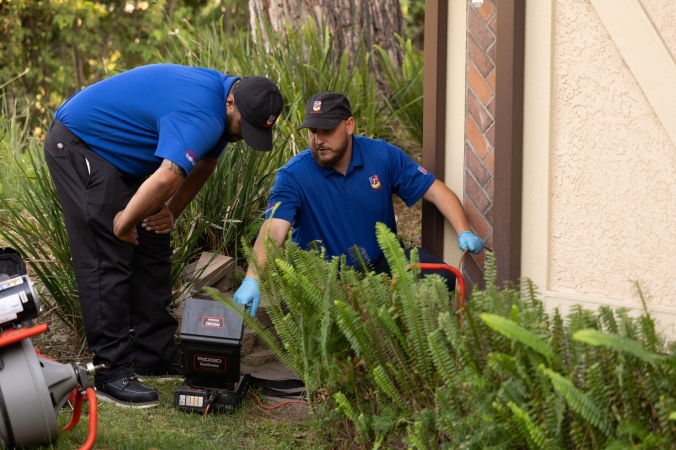
However, if you have a few trees on your property, you have to realize that they can also have a negative effect, particularly on your plumbing. Tree roots naturally seek areas that can provide them with nutrition. So, if your sewer lines have even just a hairline crack, the roots will head over to them since they’re attracted to the water and nutrients that seep out from the pipes. Ultimately, they’ll get into the crack and cause blocked pipes or even complete sewer line collapse. When either of these happen, you’ll most likely notice that your toilets and sinks no longer drain properly, and you might even see (and smell) waste water, and raw sewage backing up into your house.
Fortunately, you don’t have to wait for these scenarios to take place since you can do something to keep tree roots away from your pipes. Some of the steps you can take include:
If you suspect that your pipes are prone to getting impaled by roots, you can opt to have them relined. This is particularly helpful if your pipes are old and can easily crumble under pressure. You can ask your plumber to thread a seamless plastic liner through the sewer line or install an inflatable liner in your pipes. Both of these will strengthen your pipes while sealing any cracks and leaks that might be present.
Relining your pipes is helpful, but don’t rely too much on it. Remember: tree roots are tough and, sooner or later, they might be able to break through your pipes — even with their new linings.
Because of this, you need to find ways to stop tree roots from growing in your pipes’ direction. One thing you can do is to spread copper sulfate (aka rock salt) and potassium hydroxide on the ground where your sewer lines are located. These chemicals inhibit the growth of tree roots and discourage them from straying near your pipes.
There are times when you do everything you could to keep tree roots away but to no avail. So, if the roots keep on inching closer to your sewer lines, or if they’ve already caused blockages and other problems, it’s probably the right time to think about digging them up or even removing the entire invasive tree. It might harm your landscaping, but the hassle is worth it since you can avoid the costs and headaches brought about by clogged pipes or collapsed sewer lines.
When landscaping your garden, make sure to pick plants that are pipe-friendly. Slow-growing plants are a great choice since it takes them lots of years before their roots can reach your pipes. Trees that have a small root ball are also a fantastic option since their roots will not reach out too far below the ground.
Take these steps now and prevent tree roots from wreaking havoc on your pipes and causing thousands of dollars’ worth of damage!

A kitchen stays busy all day. When something slows down the flow of…

A good look inside a drain line tells you the truth faster than…

A sewer line problem interrupts daily life quickly. Rooter Guard sees this…

A plumbing system reaches a point where repairs stop making sense. Many homeowners…

A dead disposal can bring a busy kitchen to a stop. When that…
Water pressure can make or break your plumbing experience… almost literally. Low water pressure can make washing pots and pans a nightmare, and high water pressure can push water through joints and crevices before causing a burst pipe. Water pressure problems are sneaky and often start small, but they usually…
Learn More