Menu

Call This Tuesday Get $50 Off Today

How to Replace Flushing Mechanism in Toilet

How to Replace Flushing Mechanism in Toilet

Problems in the toilet can be very challenging for a normal household. This can even be a lot…

Aug 19, 2020

Problems in the toilet can be very challenging for a normal household. This can even be a lot stressful when you don’t know how to deal with it right on. However, there are conditions that you can handle all by yourself even if you only have a little knowledge handling a huge pair of pliers or screwdriver.
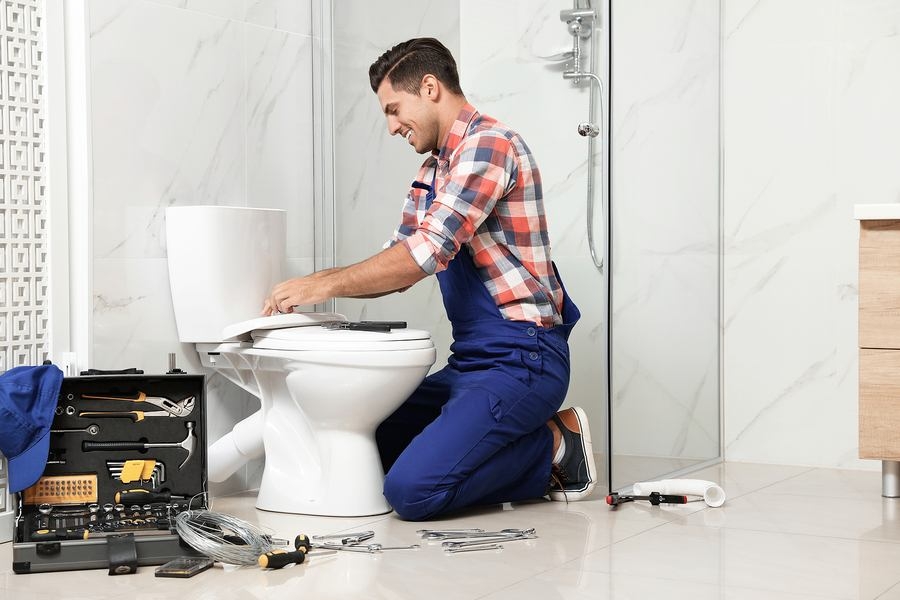
How to Replace Flushing Mechanism in Toilet

In fact, most low-flow modern toilets can be easily replaced as they have fairly simple components to deal with, especially when it comes to replacing the flushing mechanism. This consists of a few parts like the flush valve seat, overflow pipe, and the flapper. Replacements are available as they are sold separately that will allow you to replace your toilet tank flushing mechanism in no time.

To avoid confusion, here are a few tips on how to replace flushing mechanism in the toilet. But never go on following the instructions here if you have not yet purchased the replacement for the flushing mechanism.

1. Turn Off Water Supply

  • The first thing that you need to do is to remove the lid of the toilet tank.
  • Try to put it on a safe place to avoid breakage.
  • You can then turn the water supply off to avoid waste when replacing the flushing mechanism.
  • Drain the remaining water from the tank and use a sponge to completely dry it out.

2. Remove Water Supply Line

  • It is essential to avoid any drips on the floor that can ruin your task. This can be done by using some old rags or towels on the bathroom floor.
  • Then, you can remove the water supply line by unscrewing it from the filler valve usually located at the tank bottom.
  • Perhaps an adjustable wrench will do the trick at unmounting the supply line.

3. Remove the Toilet Tank

  • Before removing the tank from the toilet, try to sponge out any remaining water from it to avoid a messy result.
  • Unscrew the nuts that hold the tank to the bowl with an adjustable wrench below.
  • You can now remove the tank from the bowl and set it aside securely.

4. Unmount the Flush Valve

  • Reach into the tank and locate the rubber sealing ring at the bottom of the valve.
  • By using a set of huge pliers, begin to unscrew the nut connecting the valve and the tank.
  • Remove the clip that you can find holding the tube from the overflow pipe to the toilet fill valve.
  • Look for the chain that connects the flapper and the flush lever.
  • You can now grab the overflow pipe and take out the old valve for flushing.

5. Install New Flush Valve

You can now install the replacement for your old flushing valve. Do this by following the same way you did with your old one. This time, do it in a reverse fashion. Anyway, you can always follow the instructions supplied by the manufacturer. After installation, do the following procedures:

  • Reattach the tank to the bowl using tank bolts.
  • Reattach the flapper chain to the lever arm for flushing.
  • Reattach the fill tube to the overflow pipe.
  • You can now reconnect the water supply for the tank.
  • To test for leaks, try to turn the water supply back on and check out the new flush valve by flushing the toilet a couple of times.

Our Services

Plumbing Services

Faucets & Kitchen Sink

A kitchen stays busy all day. When something slows down the flow of…

Camera Inspection

A good look inside a drain line tells you the truth faster than…

Sewer Repair

A sewer line problem interrupts daily life quickly. Rooter Guard sees this…

Repiping

A plumbing system reaches a point where repairs stop making sense. Many homeowners…

Garbage Disposal Replacement

A dead disposal can bring a busy kitchen to a stop. When that…
Call U Now 818-351-1810

Recent Blog & Blog Post

Blog Jan 17, 2026

Why Professional Faucet & Sink Service Is Worth It

When it comes to faucet & sink repair, it’s tempting to roll up your sleeves or hire a neighborhood handyman to tackle the job. However, taking a DIY approach isn’t worth the risk. Whether you’re dealing with a leaky faucet or a severe kitchen sink blockage, hiring a trusted plumbing…

Learn More