Menu

Call This Thursday Get $50 Off Today
24 Hour Services
7 Days a Week
Call This Thursday Get $50 Off Today
24 Hour Services
7 Days a Week

One of the most common plumbing problems in the kitchen is leak under the sink caused by a worn out or damaged sink strainer. If this is the problem, the solution is a sink strainer replacement. This home maintenance task can be a do-it-yourself project. All you need are proper tools and materials and some handyman skills.

Turn off the water valve going to the kitchen sink and place a pail or container under the sink to catch dripping water.
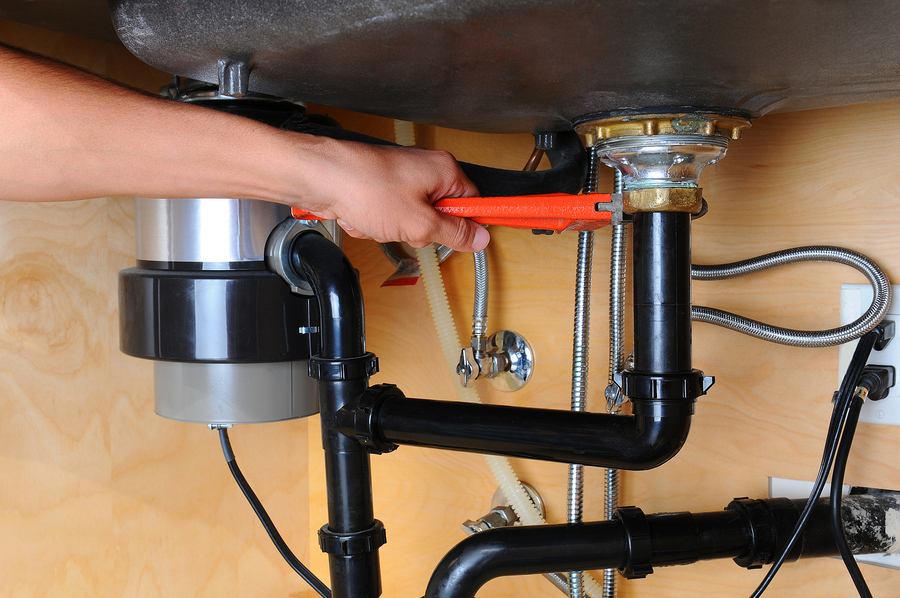
Next, remove the pipes connected to the worn out sink strainer. With a pipe wrench, loosen the slip nut that keeps the drain tailpiece of the strainer with a counter-clockwise motion. Once the nut is loose, you can now unscrew it manually to remove the tailpiece from the kitchen sink strainer.
After the drain tailpiece had been removed as well as the other fittings, get a large pair of pliers to remove the kitchen sink strainer nut. If this will be difficult to do, you can opt to cut the nut since the old sink strainer will be discarded anyway. Once this is done, reach for the sink strainer from the top of the sink and pull it out.
Ensure to clean the surrounding area of the sink before installing the new sink strainer. This will remove the gunk, mold and mildew build-up from years of use. You can disassemble the parts of the basket strainer and set them aside. Also, loosen the screws on the retainer.
Get the plumber’s putty and prepare the base of the sink strainer by enclosing it with the putty just on the lower side of the lip.
Fit the strainer into the drain of the sink and see to it that it is aligned and centered. Give it a little push to spread the putty just enough to stick to the sink.
Get the flexible washer and fit is snugly on the sink strainer body. Do the same with the metal washer that comes with the new sink strainer kit. Ensure that you hold them in place.
Next step is to tighten the screws but before this, thread the retainer manually all the way and with your hand, tighten the screws evenly. Get the pliers or a screw driver to firmly tighten the screws. However, be careful with tightening the screws and keep from making it too tight so as not to damage the rubber washer. Doing so will cause misalignment and even leakage. If the rubber washer gets damaged, just remove it and apply plumber’s putty on top, instead.
Replace the pipes you have previously removed from the sink drain by doing step 2 in reverse.
Check for leaks by turning the shut valve on and placing the rubber stopper on the sink. Turn on the faucet and fill the sink with water. Check for leaks. If no leaks are found, you have accomplished the job.

A kitchen stays busy all day. When something slows down the flow of…

A good look inside a drain line tells you the truth faster than…

A sewer line problem interrupts daily life quickly. Rooter Guard sees this…

A plumbing system reaches a point where repairs stop making sense. Many homeowners…

A dead disposal can bring a busy kitchen to a stop. When that…
Water pressure can make or break your plumbing experience… almost literally. Low water pressure can make washing pots and pans a nightmare, and high water pressure can push water through joints and crevices before causing a burst pipe. Water pressure problems are sneaky and often start small, but they usually…
Learn More