Menu

Call This Thursday Get $50 Off Today
24 Hour Services
7 Days a Week
Call This Thursday Get $50 Off Today
24 Hour Services
7 Days a Week
It can be frustrating to deal with a clogged toilet and you will most likely want to solve the problem in the most efficient and quickest manner. However, most methods of getting rid of toilet blockages will usually involve some effort and sweat in your part, especially if you don’t want to spend for a professional plumber. This could be why you are thinking of using chemicals to unclog your drainage. Most plumbers will advise against using chemicals because they can
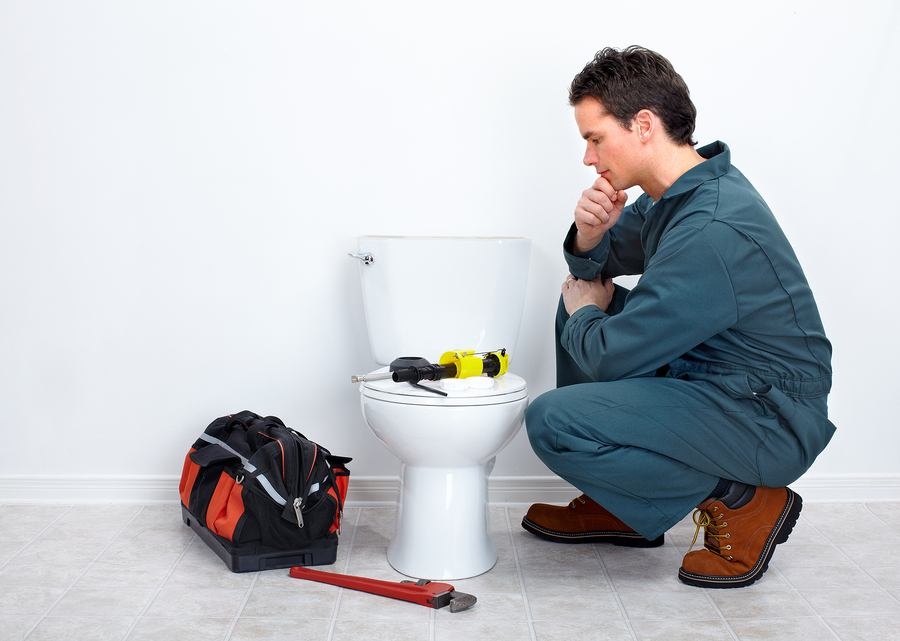
damage bathroom fixtures and piping systems, and are also harmful to human and environmental health. So before you pull out the guns, make sure you’ve tried other alternatives first.
1. Make sure the clog is in the toilet and not in the drain or pipes.
2. Use the vinegar, baking soda, and hot water method to try and dissolve whatever is blocking your toilet.
3. Try using your plunger. If the labor is too much, use your charm and request someone more ‘able-bodied’ to assist you or have a good reward waiting for anyone willing to volunteer.
4. Use a plumber’s snake.
If these methods prove futile and you will really resort to using chemicals, then make sure to take the necessary precautions.
1. Only use chemicals if you are sure that the blockage is organic and not caused by something made of metal or plastic.
2. Look for a product that has the least damaging effect on your health and the environment.
3. Make sure the chemical is safe to use on ceramics and pipes.
4. Carefully read the instructions and safety tips on the label before using the product.
5. Never mix cleaning products because this might cause unexpected chemical reactions and can be dangerous.
6. Prepare protective gear that will protect you from coming in direct contact with bacteria and germs and with chemicals that can be damaging to your health. Use thick rubber gloves (preferably those that reach your elbows) and a disposable surgical face mask or hanky to cover your mouth and nose so you don’t inhale or ingest any harmful substances.
1. Cover your bathroom floor with newspapers or old rags so it is protected in case any of the chemical spills or splatters or if the water in the toilet overflows.
2. Provide enough ventilation in the room so any smells and substances emitted by the cleaning product won’t be contained in the bathroom. Open windows and doors.
3. Make sure to turn off the water line connected to the toilet to avoid overflowing of water.
4. Follow the instructions on the back of the product bottle. Be careful as you pour it down the drain.
5. Let the chemical sit for a while as it does its job.
6. Check if the water has gone down after the time indicated on the bottle. If it hasn’t, try to wait a bit longer.
7. If it has been a while and your toilet is still clogged, call a professional.
Unblocking a toilet with chemicals can seem like the quickest and most convenient solution, but take note that even professional plumbers are discouraging their use as much as possible because they may do more harm than good in the long run.

A kitchen stays busy all day. When something slows down the flow of…

A good look inside a drain line tells you the truth faster than…

A sewer line problem interrupts daily life quickly. Rooter Guard sees this…

A plumbing system reaches a point where repairs stop making sense. Many homeowners…

A dead disposal can bring a busy kitchen to a stop. When that…
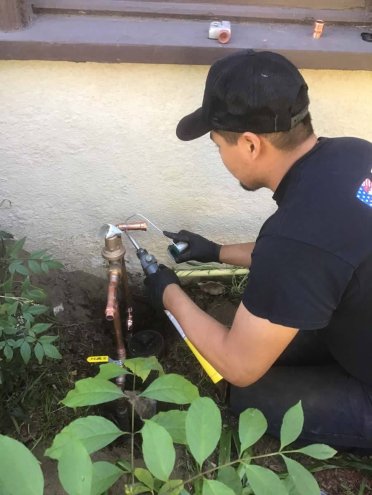
Water pressure can make or break your plumbing experience… almost literally. Low water pressure can make washing pots and pans a nightmare, and high water pressure can push water through joints and crevices before causing a burst pipe. Water pressure problems are sneaky and often start small, but they usually…
Learn More