Menu

Call This Wednesday Get $50 Off Today
24 Hour Services
7 Days a Week
Call This Wednesday Get $50 Off Today
24 Hour Services
7 Days a Week

Water backing up in a sink or tub sends most people scrambling for a quick solution, and what happens next either clears things up or creates a bigger mess. The team at Rooter Guard has walked into homes after every kind of DIY attempt you can imagine. We know which methods actually get results and which ones backfire. If you want to unclog a drain without causing damage, this guide will point you in the right direction.
A plunger is the best starting point for any clogged drain cleaning situation at home because it creates pressure directly at the blockage. You have to get the cup to sit flat against the drain so no air sneaks out around the edges. Getting a solid seal keeps all that pressure aimed at the clog rather than leaking out of the sides. Pour some warm water in first and the rubber cup will stick to the surface better. Take your time with it. Slow and steady wins because the pressure needs a moment to actually push through the gunk. You'll probably have to go at it more than once before things start draining again. Check for an overflow opening and block it with your hand or a wet rag so the force doesn't escape. A good plunger clears hair, soap buildup, and food bits that haven't made it too far down. Still not budging after a few attempts? Hearing gurgling or bubbles from somewhere in the pipe?That usually means the blockage is further down or something else is wrong with the plumbing system.
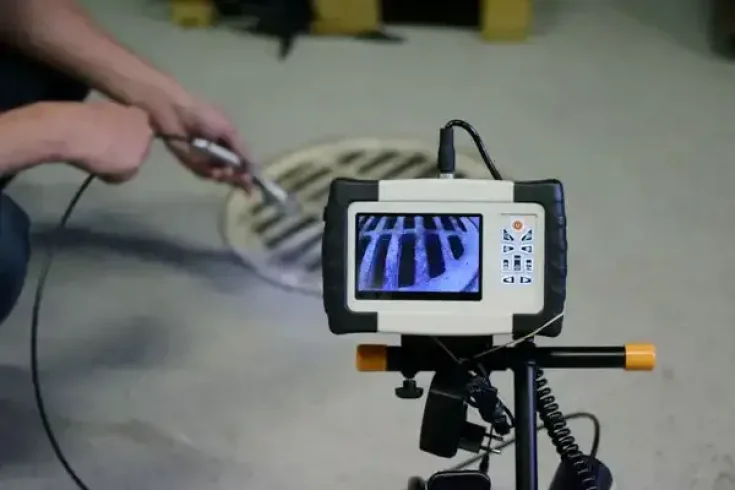
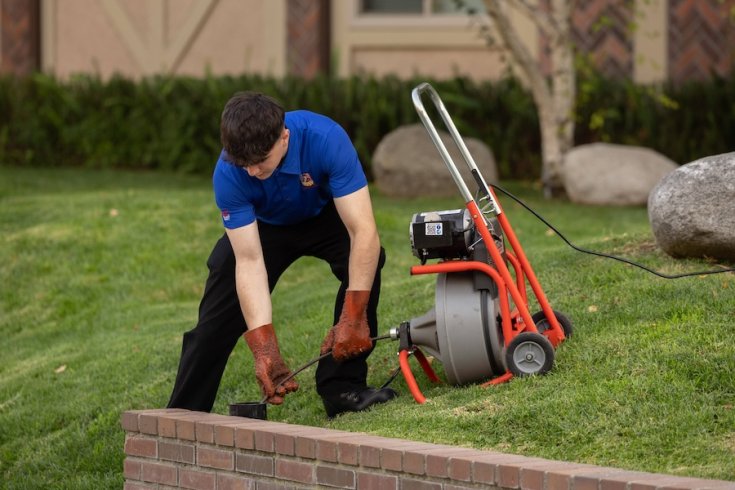
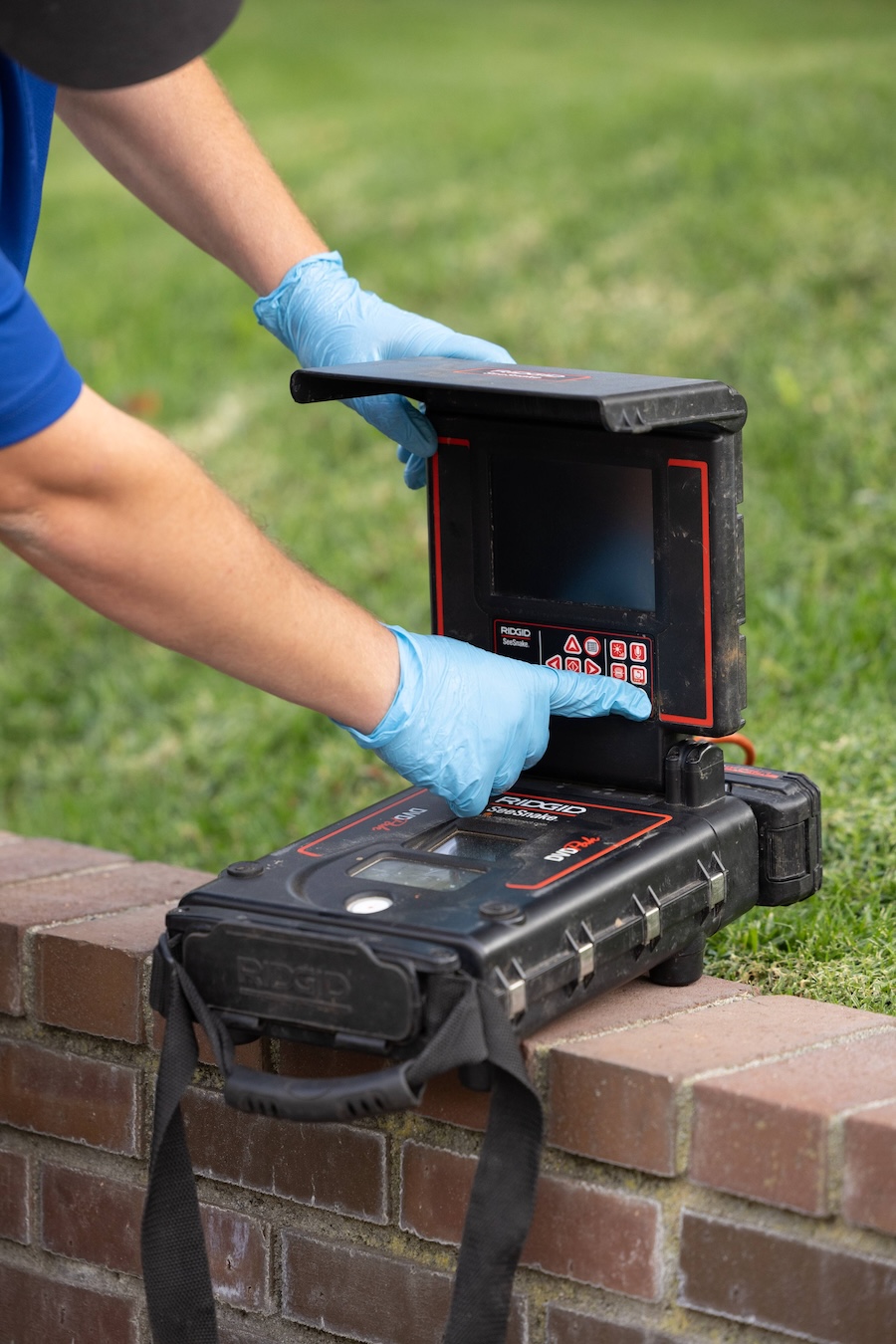
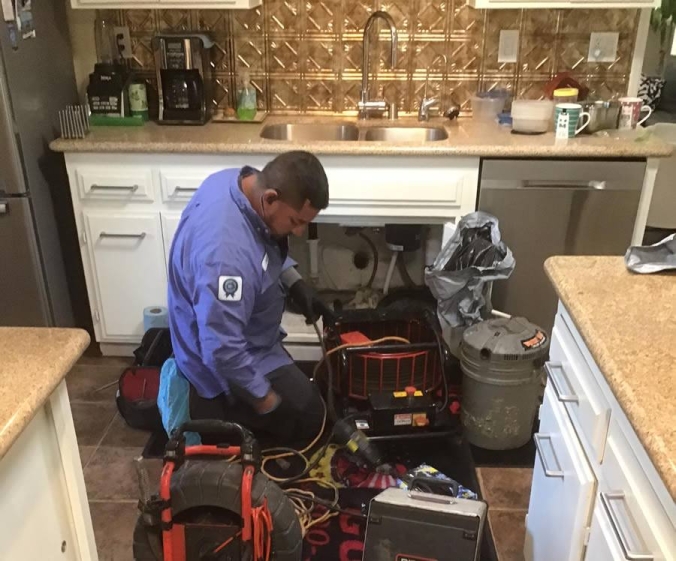
A plunger takes care of whatever is sitting near the surface, but a drain snake lets you reach blockages that have traveled deeper into the pipe. You feed the cable down until it hits something solid. Resistance tells you where hair, food, or some random object stopped the water from flowing. Rotating the handle steers the tip so it can grab onto the clog or break it apart. Patience works better than muscle. Forcing it can bend the cable or gouge the inside of the pipe. A basic hand snake handles bathroom sinks, tubs, and showers just fine, and most homeowners can figure it out without much trouble. Bigger jobs like kitchen drains or older cast-iron pipes with heavy gunk call for a thicker cable or a motorized version. If the snake won't go any further or latches onto something that refuses to budge, you might be dealing with tree roots or a section of pipe that's collapsed. That's territory for plumbers who bring cameras down into the line to see exactly what's happening. Keeping a snake in the house makes sense because it reaches spots you'd never get to otherwise, and it clears a lot of blockages before they snowball into expensive repairs.
A lot of homeowners grab chemical drain cleaners because they seem like the easy answer. The label promises fast results, and all you do is pour liquid down the hole. The trouble is that the chemical reaction happening inside the pipe generates heat that can weaken joints in older plumbing systems. It can corrode metal and create soft spots in plastic pipes. When the chemical gets stuck behind a clog, that reaction concentrates in one place for way too long and causes damage that might not reveal itself for months or even years. The fumes aren't great either and can irritate your eyes and lungs. If you've already dumped a chemical cleaner down there and it didn't work, don't add another product on top of it because mixing them can create a dangerous situation. At that point, call a plumber who can tackle the clog without piling more chemicals into the system. Most of these cleaners offer temporary relief at best, and the long-term toll on your pipes can mean leaks hidden behind drywall or underneath floors. A drain snake or a plunger gives you the same clearing power without the risks that come from chemical reactions happening inside a closed pipe.
Kitchen drains take a beating day after day, and grease sits at the top of the troublemaker list. It pours out of the pan looking like any other liquid, but once it hits the cooler air inside the pipe, it turns solid. The waxy layer catches food floating by, and the buildup just keeps stacking up from there. Throw coffee grounds, egg shells, or vegetable peels into the mix, and the problem accelerates. Hot water seems like the obvious fix for grease, but it doesn't actually clear anything out. It just shoves the grease further along until it hits a cooler section of pipe and solidifies. A sink that backs up after cooking or sits there full of cloudy water is usually dealing with buildup that's been forming for a long time. A simple clogged drain cleaning job might knock it loose if the gunk hasn't traveled far. But when years of grease and food scraps have packed into the pipe, you need plumbers with serious equipment to bust through all of it and clean the line from end to end. Prevention beats all of that. Wipe the pan with a paper towel and toss it in the trash. Scrape plates into the garbage before rinsing them. Kitchen drains hold up a lot longer when they're only dealing with water and a light rinse off instead of whatever didn't get eaten.
Keeping drains clear doesn't take much once you know what actually works. When a blockage won't budge with basic tools or the pipes are showing their age, Rooter Guard can help. Our plumbers know their way around every kind of drain problem. Reach out today, and we'll get water moving the way it should while keeping your plumbing in good shape for the long haul.

A kitchen stays busy all day. When something slows down the flow of…

A good look inside a drain line tells you the truth faster than…

A sewer line problem interrupts daily life quickly. Rooter Guard sees this…

A plumbing system reaches a point where repairs stop making sense. Many homeowners…

A dead disposal can bring a busy kitchen to a stop. When that…
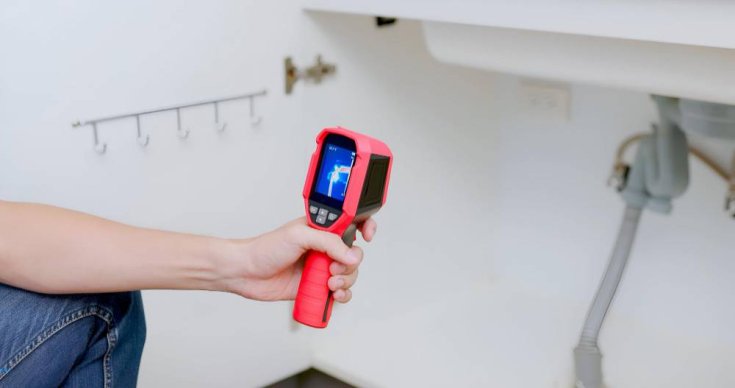
Some leaks are impossible to ignore, but the most insidious ones happen behind walls and under floorboards for weeks, months, and even years before they are discovered. Our five senses are often not enough to detect these hidden leaks. Luckily, we've got tools and devices to work their magic. Using…
Learn More