Menu

Call This Sunday Get $50 Off Today
24 Hour Services
7 Days a Week
Call This Sunday Get $50 Off Today
24 Hour Services
7 Days a Week
Slab foundations dominate single-family construction across the United States. In fact, roughly 73% of new single-family homes sit on concrete slabs, according to the National Association of Home Builders.
It’s no coincidence, either. Builders favor slabs because they cost less than basements, speed up construction, and perform well in warm climates.
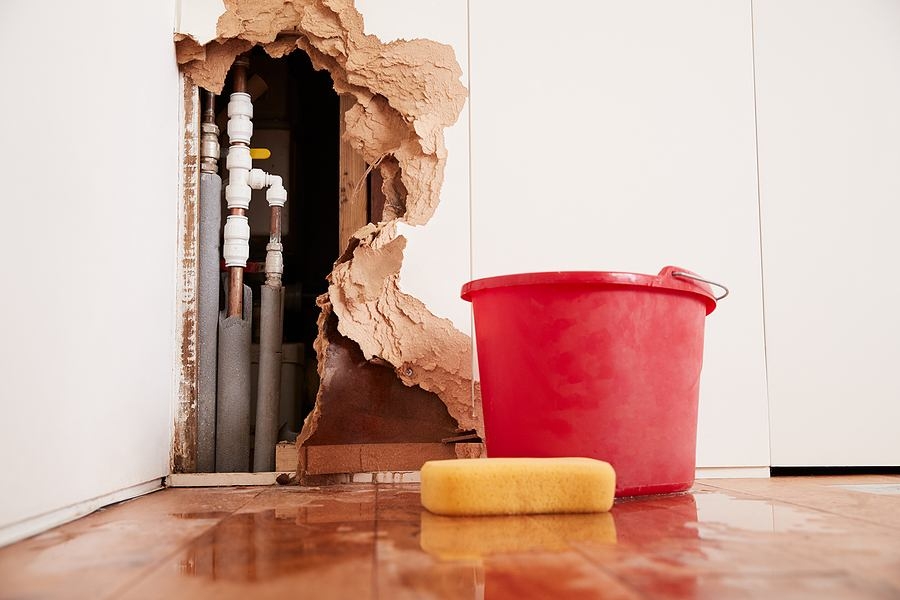
But slab foundations come with a hidden vulnerability. Beneath that solid layer of concrete runs a network of plumbing lines which can fail. When those pipes leak, water does not simply drip into a crawl space where someone can spot it. Instead, it seeps directly into the soil under the home.
That problem is known as a slab leak, and it can threaten the structural stability of everything resting above that concrete foundation. This brief article brought to you by Rooter Guard sheds some light on this risk, as well as warning signs to recognize.
A slab leak begins simply enough: a pipe beneath the foundation develops a crack, pinhole, or separation, then water escapes into the soil underneath the concrete. These slab leaks hide completely out of sight and work their destruction silently.
In that time, the escaping water saturates the soil beneath the foundation and creates several compounding problems:
The concrete slab – designed to rest on stable and evenly supporting soil – now sits partially suspended over voids or rests on unevenly supporting ground. Concrete is strong, but it’s relatively weak when unsupported. It cracks. It settles unevenly. In severe cases, entire sections of foundation can drop.
When your water usage is consistent (and the city hasn’t ramped up prices) but bills spike 20%, 30%, or even 50%, then you can bet that water is escaping somewhere. If visible plumbing checks reveal no obvious leaks, then a slab leak becomes a strong possibility.
Remember, even a small pinhole leak in a pressurized line can waste hundreds of gallons per day – and all of it is soaking into the ground beneath the home.
Turn off everything so that no fixtures are on, no appliances are running, and nobody is using water. You should hear silence. The sound of water flowing through pipes means water is continuously moving somewhere. This symptom often points to slab leaks or other hidden leaks.
Many of us wear shoes inside, and this can get in the way of detecting leaks. Here’s why. Hot water line leaks beneath slabs create warm areas on flooring above them. Walking barefoot across the floor reveals these spots clearly.
This is particularly concerning because hot water leaks waste both water and the energy used to heat it. So, ring the alarms if your water heater is working overtime. A slab leak detection is just a call away thanks to Rooter Guard.
Cracks showing up on walls, floors, or the foundation itself typically suggest settling often due to ground movement beneath the slab. Doors that suddenly don't close properly, windows that stick or won't open, and gaps appearing between walls and ceilings all indicate your foundation settling – potentially caused by soil erosion from slab leaks.
This is not an exhaustive list of warning signs, and it’s always advisable to have a trained and experienced plumber investigate concerns you may have.
If you’re looking for uniformed pros from a reputable company, then consider the time-tested team at Rooter Guard. We are happy to schedule an appointment or arrange emergency plumbing repair service for as soon as possible.

A kitchen stays busy all day. When something slows down the flow of…

A good look inside a drain line tells you the truth faster than…

A sewer line problem interrupts daily life quickly. Rooter Guard sees this…

A plumbing system reaches a point where repairs stop making sense. Many homeowners…

A dead disposal can bring a busy kitchen to a stop. When that…
Water pressure can make or break your plumbing experience… almost literally. Low water pressure can make washing pots and pans a nightmare, and high water pressure can push water through joints and crevices before causing a burst pipe. Water pressure problems are sneaky and often start small, but they usually…
Learn More