Menu

Call This Thursday Get $50 Off Today
24 Hour Services
7 Days a Week
Call This Thursday Get $50 Off Today
24 Hour Services
7 Days a Week

When people think of leaky toilets, they usually think of water that runs constantly from the tank and into the bowl. But, while this is the most common type of leak, homeowners have to realize that this isn’t the only problem that can arise. Sometimes, the tank can spring a leak and cause water to drip water from it and onto the floor.
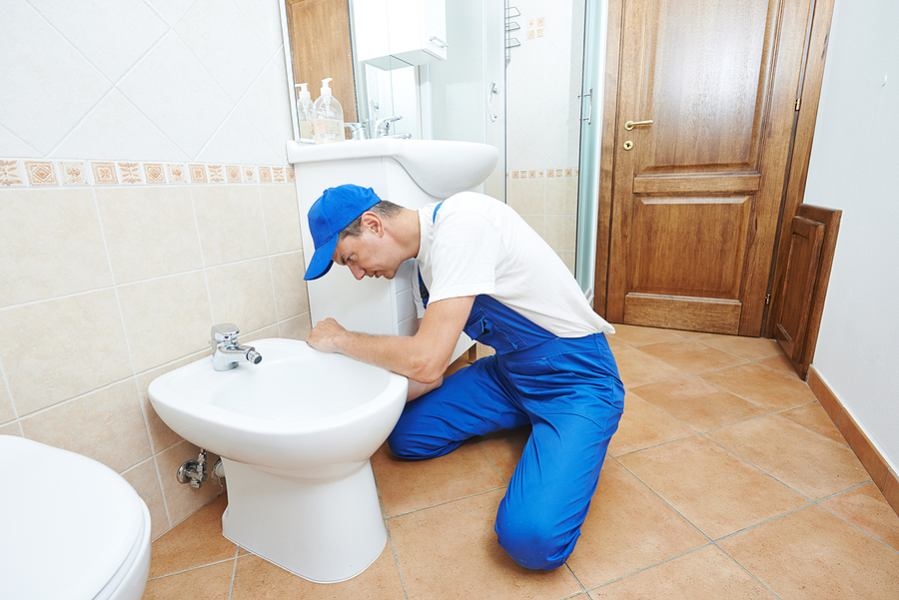
If this happens in your home, you’ll need to fix it quickly since it can cause you to waste a lot of water and end up with a huge utility bill. It can also make your bathroom floor constantly wet, which can pose a safety hazard to you and your family and expose you to slips and falls.
But how exactly can you fix this problem? Well, before doing anything else, you should first determine where the leak is coming from. Since a leaky toilet tank can be caused by several things, you need to pinpoint the exact reason so you know how to proceed.
Once you know what’s causing your toilet tank to leak, you can take steps to fix it. Here are a few tips you can use:
Porcelain is a durable material, but it can break when your tank is too old or if it has been exposed to trauma. Either way, cracks can form in the surface and cause water from the tank to leak out — which can happen even if only hairline cracks are present. In this case, the best option is to replace your tank.
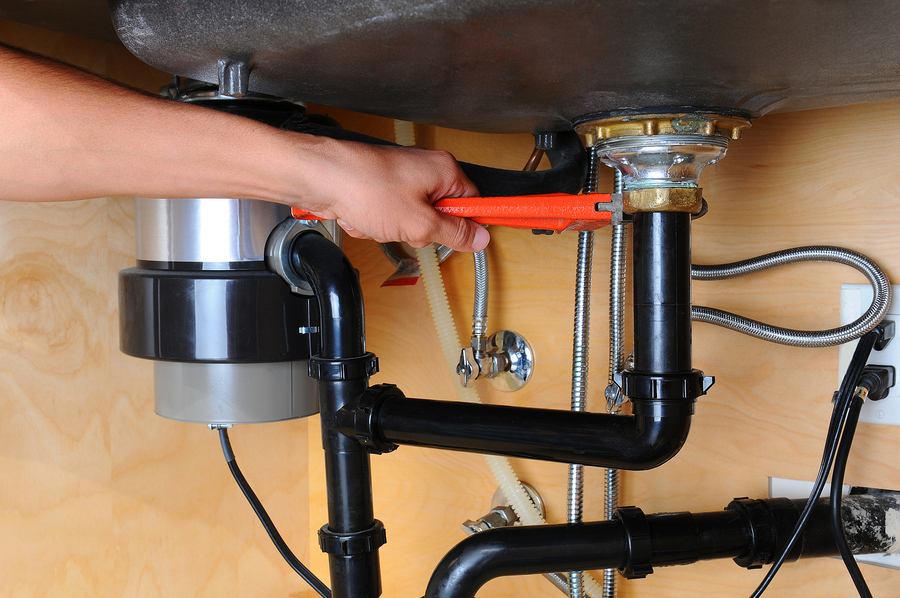
The locknut secures the water supply hose to the tank from the water supply valve. If it becomes lose, water would understandably trickle down from it to the floor. Fortunately, you can easily fix this by using your pipe wrench to tighten the nut. Start by giving it a 1/4 turn; if this fixes the leak, do not give it another turn. If the leak reduces but is still present, give the lock nut another 1/4 turn. This should stop the leak but, if it doesn’t, do not give the nut an additional turn since doing so will only damage it.
If tightening the locknut doesn’t work, it may have to be replaced along with the toilet fill valve (i.e. the valve in the tank that holds the supply hose from the main supply valve in place).
Your tank is connected to the toilet bowl through a set of bolts, nuts, and washers, which can cause a leak if they’re damaged or misaligned. You can tell that the leak is coming from the bolts since water droplets will be present on them. Tightening the bolts should fix the problem but, if it doesn’t, you’ll have to replace them with new ones along with new nuts and washers.
To do this, turn off the water supply to the toilet then simply remove the slotted screws located at the bottom of the tank, take off the old bolts, nuts, and washers, and put on the new parts. Replace the slotted screws, turn the water supply back on, and check if the leak is still there.
Explore these solutions now to stop your toilet tank from leaking onto the floor.

A kitchen stays busy all day. When something slows down the flow of…

A good look inside a drain line tells you the truth faster than…

A sewer line problem interrupts daily life quickly. Rooter Guard sees this…

A plumbing system reaches a point where repairs stop making sense. Many homeowners…

A dead disposal can bring a busy kitchen to a stop. When that…
Water pressure can make or break your plumbing experience… almost literally. Low water pressure can make washing pots and pans a nightmare, and high water pressure can push water through joints and crevices before causing a burst pipe. Water pressure problems are sneaky and often start small, but they usually…
Learn More