Menu

Call This Thursday Get $50 Off Today
24 Hour Services
7 Days a Week
Call This Thursday Get $50 Off Today
24 Hour Services
7 Days a Week
You’ve flushed the toilet just like you always do. This time, however, the water levels aren’t going down. The bowl is filling up with water quickly. What could be causing this situation?
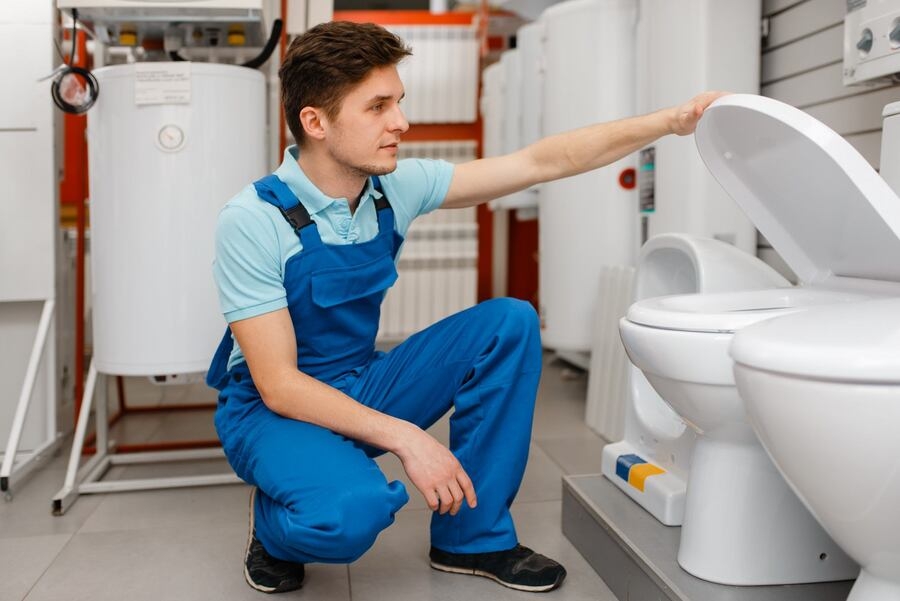
In most cases, the reason why a toilet is overflowing is because there is a clog within the trapway. Toilet paper and waste do not always break down enough to be flushed through the system, especially if they are flushed in a large amount. Removing the clog will prevent the toilet from overflowing in the future.
Clogs can also be caused by foreign objects, wipes, and paper products that are not designed to be flushed, but are used during the bathroom experience anyway.
If you have determined that a clog in the toilet is not the cause of the overflow, it is likely one of the following issues.
A clog can form in the main sewer pipe that leads away from the home. It can even form in the primary transportation pipe that leads to the treatment facility.
A toilet that is consistently overflowing and isn’t connected to a treatment network is likely dealing with a septic issue. There is probably a clog in the tank somewhere. Flushing the system is usually required to resolve this issue.
Sometimes, the issue of overflowing is caused by a poor plumbing design within the bathroom. Gravity is used to assist with the flush, so if the waste must move “uphill,” it will likely backup over time. You’ll usually see this if the toilet overflows when another water fixture, like the shower, is being used at the same time.
Modern plumbing systems have vents that maintain a neutralized pressure level within the home. If the vents are blocked, often caused by falling leaves and other natural debris, then the neutralization is no longer present and that makes it more difficult to flush the toilet.
Trapways in toilets are not constantly filled with water. If you flushed waste and it did not completely flush away, then didn’t flush the toilet again for a day or two, a difficult clog could form. A toilet auger is the best way to remove this type of clog from the toilet.
There are numerous reasons why a toilet may decide to overflow. By identifying the issue, the problem can be resolved so the toilet can flush properly once again.

A kitchen stays busy all day. When something slows down the flow of…

A good look inside a drain line tells you the truth faster than…

A sewer line problem interrupts daily life quickly. Rooter Guard sees this…

A plumbing system reaches a point where repairs stop making sense. Many homeowners…

A dead disposal can bring a busy kitchen to a stop. When that…
Water pressure can make or break your plumbing experience… almost literally. Low water pressure can make washing pots and pans a nightmare, and high water pressure can push water through joints and crevices before causing a burst pipe. Water pressure problems are sneaky and often start small, but they usually…
Learn More