Menu

Call This Thursday Get $50 Off Today
24 Hour Services
7 Days a Week
Call This Thursday Get $50 Off Today
24 Hour Services
7 Days a Week
Toilets may have improved our lives in many ways from a sanitation standpoint, but no technology is perfect. Over time, the components of a toilet can begin to wear out. That is when a toilet usually begins to leak.
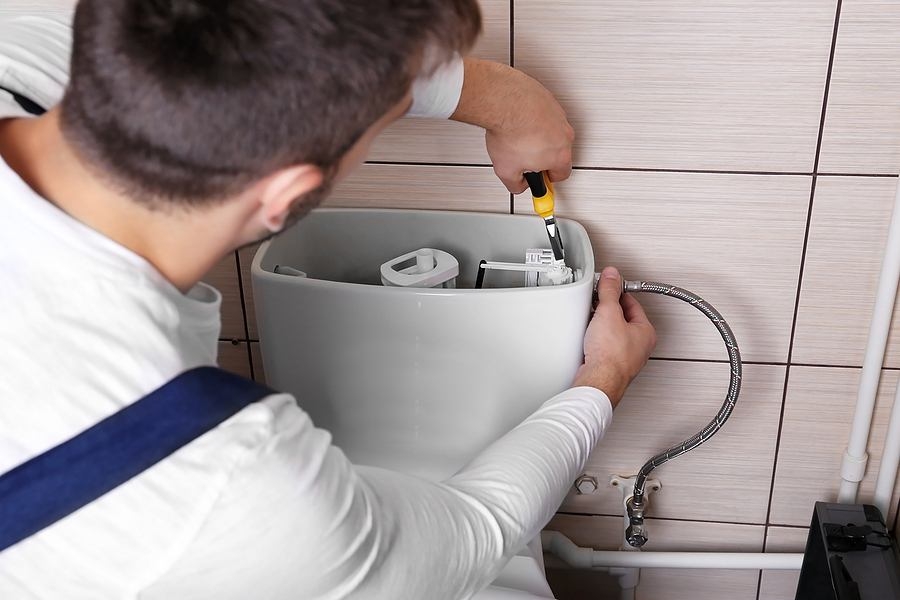
A leaking toilet can waste a surprising amount of water. Just one leaking toilet, if the leak remains undetected, can waste up to 6,500 gallons of water in a single month. That comes out to about 80,000 gallons of water per year – from one toilet.
The most common cause of a leaking toilet is a flapper problem. The flapper rises when the lever or button is pushed to activate the flushing mechanism of the toilet. If it becomes warped or stuck, then it will leak water into the toilet bowl. This is often called a “running toilet.”
If the flapper looks to be in good shape and doesn’t seem to be the cause of the toilet leak, here are some of the other common reasons that may be the cause of the problem.
A supply line that has failed can cause a leak at two points: at the connection to the plumbing system or at the toilet tank. The joints of the supply line tend to wear out in 5-10 years and require replacement.
Toilets receive a lot of abuse over time. They get banged into. Stuff hits the bowl and the tank. If the impact is severe enough, a crack may form in the ceramic. Water is patient and will eventually find the crack and seep through it.
Sometimes, nothing is broken with the toilet, but it is still leaking. A loose connection can easily cause a leak. Arms and legs can bump things when using the toilet, which can cause a supply line to slip loose – and that’s just one example. A good habit to get into is to check your connections about once per month to ensure they are nice and tight.
The fill valve can wear out over time, just like the connections and flapper. If the toilet is more than 10 years old and the toilet doesn’t seem to be shutting off, this could be the culprit.
If you’re unsure of where the toilet leak is occurring, place a few drops of food coloring into the toilet. Watch where the dye goes. It will follow the path of the leak so you can know what needs to be fixed.

A kitchen stays busy all day. When something slows down the flow of…

A good look inside a drain line tells you the truth faster than…

A sewer line problem interrupts daily life quickly. Rooter Guard sees this…

A plumbing system reaches a point where repairs stop making sense. Many homeowners…

A dead disposal can bring a busy kitchen to a stop. When that…
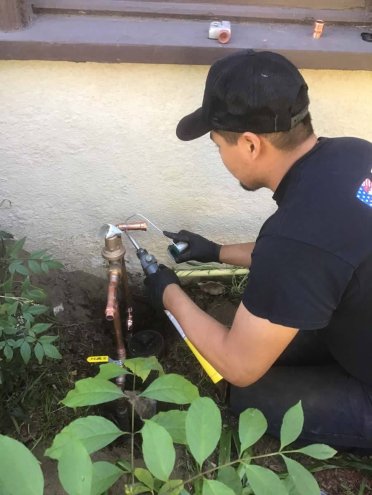
Water pressure can make or break your plumbing experience… almost literally. Low water pressure can make washing pots and pans a nightmare, and high water pressure can push water through joints and crevices before causing a burst pipe. Water pressure problems are sneaky and often start small, but they usually…
Learn More