Menu

Call This Thursday Get $50 Off Today
24 Hour Services
7 Days a Week
Call This Thursday Get $50 Off Today
24 Hour Services
7 Days a Week
When you open the top tank of a toilet, you’ll see a fill valve, a float, and a few other items that help your toilet to flush consistently. The fill valve is the component that is responsible for bringing water into the tank after every flush. Over time, it begins to wear out and may take longer to fill the tank or may stop working altogether.
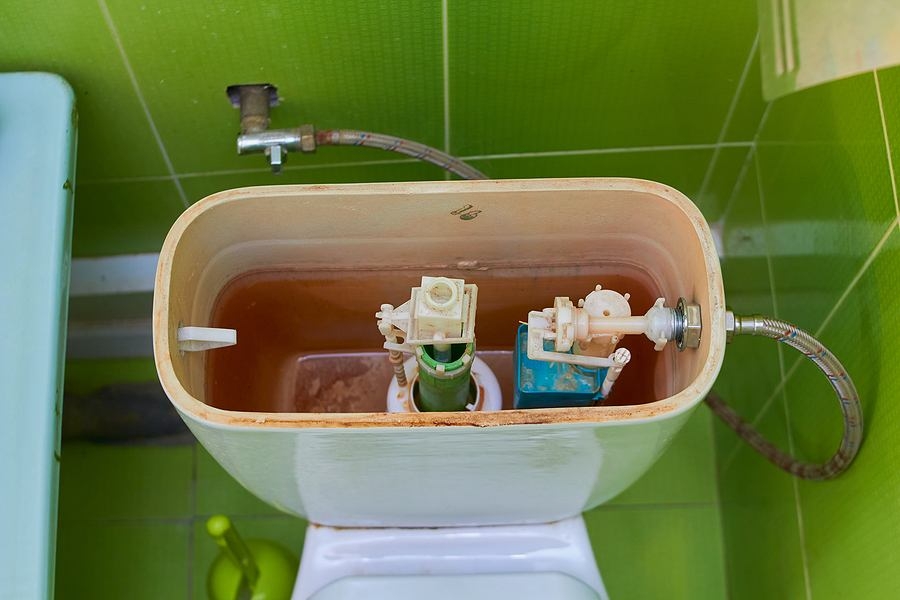
A fill valve can also become out of alignment as other working components of the toilet begin to wear out and fail.
The fill valve is connected to the water line. When the water line is run into the toilet, it connects to this valve. You can control the toilet’s access to water by turning the stop valve on or off.
When a person flushes the toilet, the flush lever pulls up a chain that is connected to the flapper. That allows water to rush out of the tank and into the toilet bowl. When water levels recede far enough, the flapper can close and water from the fill valve begins to flood the tank once again.
The fill valve knows when to start adding water because of a float that is installed in the tank. The float is like an on/off switch. When it reaches a high enough level, the fill valve turns off. When it dips below that level, the fill valve turns on.
The modern toilet has an overflow tube that is connected to the toilet bowl, just like the flapper is connected to it. Should too much water be allowed into the toilet tank, the overflow tube provides a place for the extra water to escape. The primary cause for a toilet to need this feature is a float that is not positioned properly.
If you have a running toilet, check to see if you have a tank that is overflowing with water. Bend the arm of the float so that it can be in a lower position to fix this issue.
A fill valve can operate for several years without a problem, but like any other mechanical item, it can begin to fail. By recognizing the signs and symptoms of a fill valve that is not working properly, you can stop water loss immediately.

A kitchen stays busy all day. When something slows down the flow of…

A good look inside a drain line tells you the truth faster than…

A sewer line problem interrupts daily life quickly. Rooter Guard sees this…

A plumbing system reaches a point where repairs stop making sense. Many homeowners…

A dead disposal can bring a busy kitchen to a stop. When that…
Water pressure can make or break your plumbing experience… almost literally. Low water pressure can make washing pots and pans a nightmare, and high water pressure can push water through joints and crevices before causing a burst pipe. Water pressure problems are sneaky and often start small, but they usually…
Learn More