Menu

Call This Thursday Get $50 Off Today
24 Hour Services
7 Days a Week
Call This Thursday Get $50 Off Today
24 Hour Services
7 Days a Week
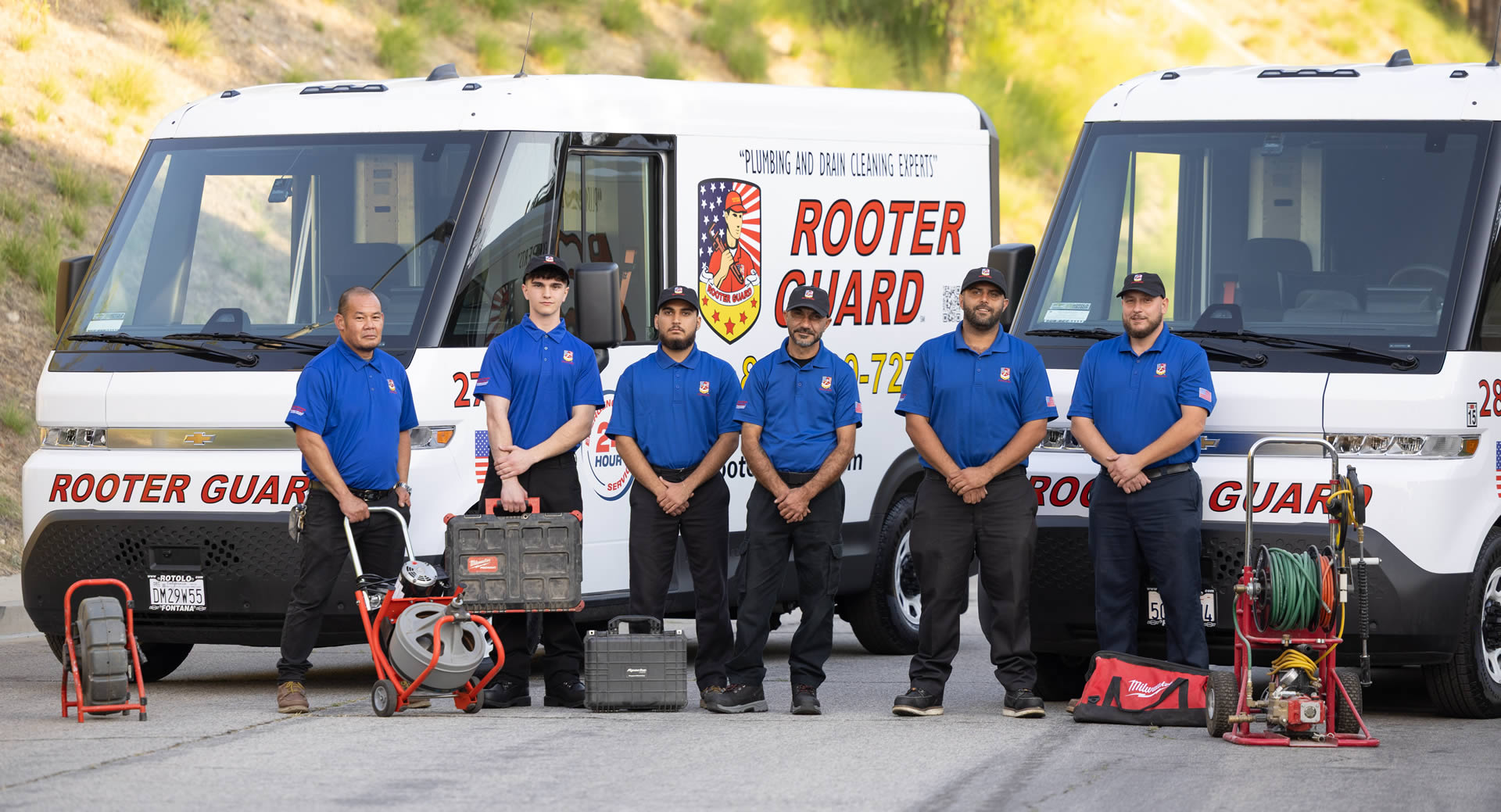
Your two best common options for unclogging a toilet are a plunger or a snake. These tools can help you to dislodge most blockages from the toilet trap without needing to add any chemicals or household items into the toilet.
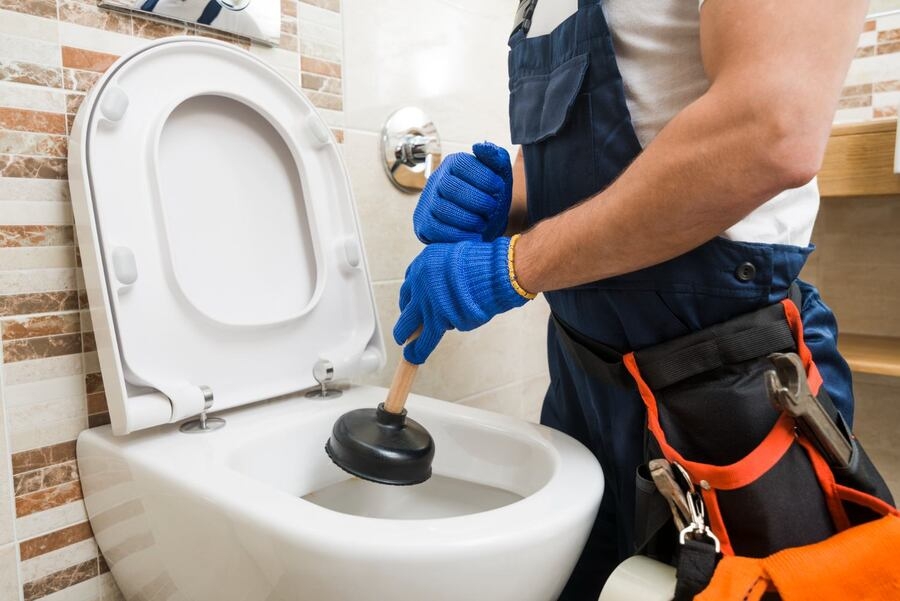
If you cannot dislodge the clog with those tools, however, you may want to try using these options to unclog that stubborn toilet.
Adding dish soap or shampoo to your toilet can help to create less friction within the trap. Add some plunging after a generous amount of soap or shampoo and that will often dislodge a stubborn clog. If you don’t have either option, small chunks of a soap bar will also work.
Once the soap or shampoo is in place, you need to activate it. You can do so by adding very hot water to the toilet. Boiling water should be avoided. Use about 1 gallon of hot water for best results.
After 10-30 minutes, you should begin seeing improvements in toilet functionality. If you do not, then you may need to dislodge the clog manually. If you don’t have a plunger or a toilet snake, you can use a wire hanger to get the job done. Unravel it and then gently slide it through the bowl opening. Move it up, down, and side-to-side to remove any debris that is sticking to the toilet trap.
If you still can’t get the toilet unclogged, you can try adding some standard vinegar to the bowl or use a fair amount of baking soda. Once added, use another gallon of very hot water for activation and then wait another 10-30 minutes for it to begin working. Repeat with the wire hanger to dislodge any part of the clog which may still be clinging to the trap.
Many professional-strength unclogging liquids use sodium hydroxide, or lye, to remove clogs. When the lye hits the water, it creates heat and that, mixed with small bits of aluminum, will clear out stubborn clogs. Do not mix a commercial unclogging liquid with vinegar or baking soda. It will create even more heat and that could damage your plumbing system.
Unclogging a toilet isn’t always easy. With the right tools and supplies, however, you can take care of the problem quickly so you don’t need to worry about the toilet overflowing.

A kitchen stays busy all day. When something slows down the flow of…

A good look inside a drain line tells you the truth faster than…

A sewer line problem interrupts daily life quickly. Rooter Guard sees this…

A plumbing system reaches a point where repairs stop making sense. Many homeowners…

A dead disposal can bring a busy kitchen to a stop. When that…
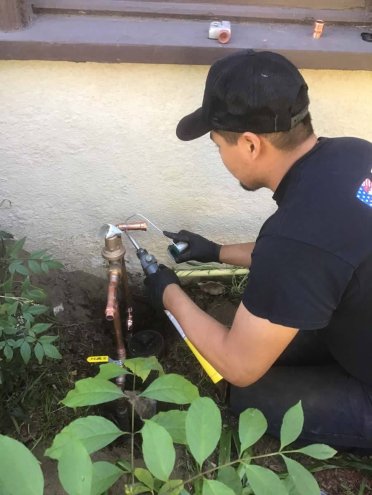
Water pressure can make or break your plumbing experience… almost literally. Low water pressure can make washing pots and pans a nightmare, and high water pressure can push water through joints and crevices before causing a burst pipe. Water pressure problems are sneaky and often start small, but they usually…
Learn More