Menu

Call This Wednesday Get $50 Off Today
24 Hour Services
7 Days a Week
Call This Wednesday Get $50 Off Today
24 Hour Services
7 Days a Week

A slow kitchen sink can test your patience, especially when every other drain in your home seems to work just fine. You stand there watching cloudy water pool around dirty dishes, wondering why this one fixture always causes trouble. The answer usually has less to do with bad luck and more to do with how your kitchen plumbing is used every single day. From food scraps to grease and soap residue, your sink handles materials no other drain does.
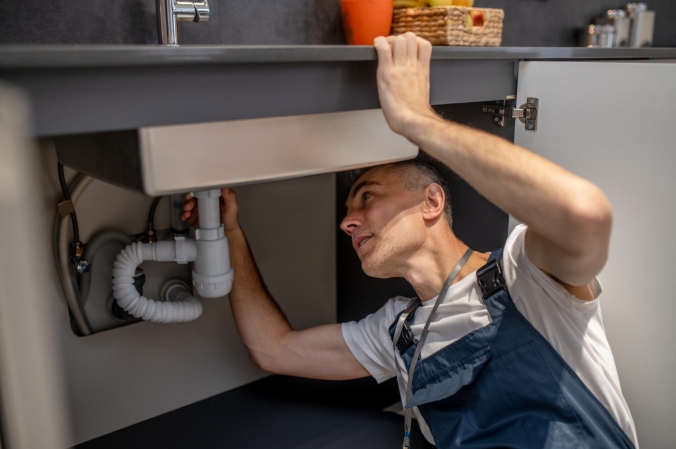
In this blog post, our professionals from Rooter Guard will discuss why your kitchen sink drains slower than everything else.
You might not notice it happening, but every time you rinse greasy pans or oily plates, small amounts of fat slide down the drain and cling to the inside of your pipes. Over time, that grease cools, hardens, and narrows the pipe’s interior, making water move more slowly with each use. Unlike bathroom drains that mostly deal with soap and hair, your kitchen drain handles heavy substances that are far more likely to stick. Eventually, even hot water can’t push past the buildup, and that’s a common reason a plumber is called for clogged drain cleaning.
Even if you’re careful, tiny food scraps often slip past the sink strainer and end up in the drain. Rice, pasta, coffee grounds, and vegetable peels are especially problematic as they expand, clump together, or break down slowly. These materials settle into grease-coated pipes and create stubborn blockages that worsen over time. You may think the garbage disposal solves this issue, but it often makes it worse by grinding food into pieces that pack together tightly inside the plumbing.
Dish soap feels harmless, but it can contribute to slow drainage in ways you don’t instantly see. Soap residue combines with grease and minerals in the water, forming a sticky substance along the pipe walls. This substance traps food particles and thickens the blockage, reducing water flow even more.
You use your kitchen sink constantly throughout the day, far more than most other drains in your home. Washing hands, rinsing produce, cleaning dishes, and filling pots all add up to heavy daily demand. This frequent use means debris builds up faster and problems become noticeable sooner. A bathroom drain may clog just as badly over time, but it takes longer to show symptoms since it simply isn’t used as often.
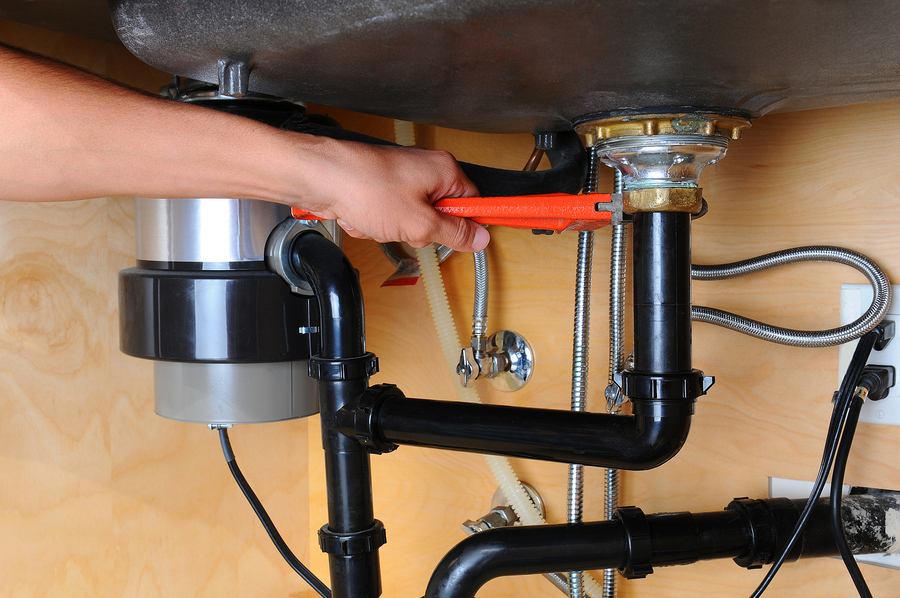
Kitchen plumbing often includes bends, traps, and longer horizontal runs that make it easier for debris to settle. These sections are necessary for proper drainage and odor control, but they also create perfect spots for grease and food buildup. Older homes may have narrower pipes or outdated materials that cling to debris even more easily. In these cases, a professional plumbing repair service can inspect the layout and recommend lasting solutions.
You might try boiling water, plungers, or store-bought drain cleaners to speed things up, and sometimes they help temporarily. However, these fixes rarely remove all the buildup inside the pipe, which means the slow drain returns sooner than expected. Chemical cleaners can even damage pipes if used too often. That’s why many homeowners eventually turn to clogged drain cleaning performed by a trained plumber in Los Angeles, CA who can clear the entire line safely and effectively.
Are you in need of a trusted plumber? Luckily, we at Rooter Guard have dedicated workers ready at your service. Contact our representatives for more questions.

A kitchen stays busy all day. When something slows down the flow of…

A good look inside a drain line tells you the truth faster than…

A sewer line problem interrupts daily life quickly. Rooter Guard sees this…

A plumbing system reaches a point where repairs stop making sense. Many homeowners…

A dead disposal can bring a busy kitchen to a stop. When that…
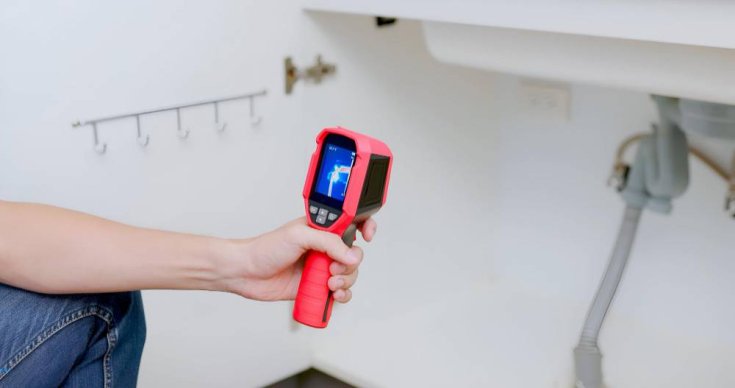
Some leaks are impossible to ignore, but the most insidious ones happen behind walls and under floorboards for weeks, months, and even years before they are discovered. Our five senses are often not enough to detect these hidden leaks. Luckily, we've got tools and devices to work their magic. Using…
Learn More