Menu

Call This Thursday Get $50 Off Today
24 Hour Services
7 Days a Week
Call This Thursday Get $50 Off Today
24 Hour Services
7 Days a Week

Toilet bowls are made out of porcelain and can be stained by white or yellowish deposits that build up, particularly caused by minerals in the hard water, such as calcium. Though this mineral-containing standing water would not directly damage your toilet’s plumbing system, the accumulated calcium will make your toilet bowl looking uglier with time and can even erode it. Also, take note that the deposits will become very difficult to remove as they age, and removing calcification from your toilet as soon as you notice them will make the job easier for you to do. Remove calcium deposits from your toilet bowl by following these steps:
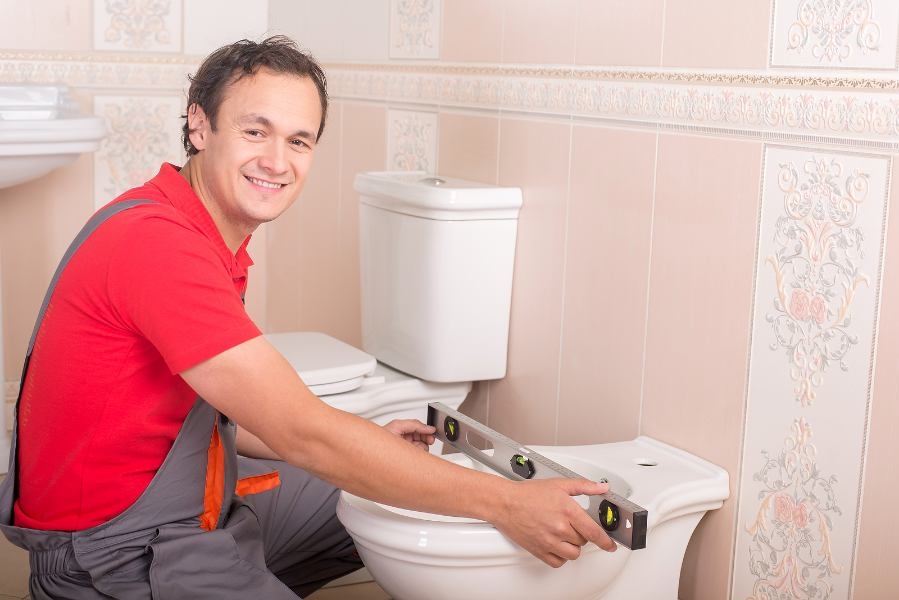
You do not have to drain your toilet bowl to carry out this task, but make sure you turn off the water supply to the toilet. Flush it to lower the water level and expose the mineral deposits. Then, liberally spray some distilled white vinegar to the calcification and let it sit for at least half an hour.
Wearing rubber gloves, scrub the area that is affected with the calcium build-up with a stiff-bristled nylon toilet brush or a wet pumice stone. If this is able to remove the deposits, you can turn the water to the toilet back on and flush it to rinse the vinegar away. If this does not remove all the calcification, scrub off as much as you can and rinse the brush in the sink.
You can also scrub the calcification using a toilet brush that is poured with baking soda. If this worked, turn the water back on and flush the toilet to get rid of the residue. If not, rinse the brush and set it aside. If there are still some deposits underwater, use a plunger to force more water down the drain until all the deposits are exposed.
Once the stain has come off, wipe your toilet bowl with a cloth to get rid of any residue that is left by the pumice stone.
Turn the water supply to the toilet back on and flush it several times to make sure any dirt is removed. Cleaning your toilet bowl on a regular basis will prevent calcium deposits and other stains from settling in. And if the problem involves high content of calcium, then it is best to use a soft scrub cleaner.
Aside from vinegar and baking soda, you can also use commercial cleaning products that contain diluted hydrochloric acid, which is effective in removing calcification. Just make sure you follow the instructions stated by the manufacturer and open the windows to allow for enough amount of ventilation, and more importantly, wear protective goggles and gloves.
Also, do not combine commercial cleaning solutions that contain diluted hydrochloric acid with those that contain bleach. If you are using bleach for regular toilet cleaning, flush it first before you start cleaning with acidic products.

A kitchen stays busy all day. When something slows down the flow of…

A good look inside a drain line tells you the truth faster than…

A sewer line problem interrupts daily life quickly. Rooter Guard sees this…

A plumbing system reaches a point where repairs stop making sense. Many homeowners…

A dead disposal can bring a busy kitchen to a stop. When that…
Water pressure can make or break your plumbing experience… almost literally. Low water pressure can make washing pots and pans a nightmare, and high water pressure can push water through joints and crevices before causing a burst pipe. Water pressure problems are sneaky and often start small, but they usually…
Learn More