Menu

Call This Thursday Get $50 Off Today
24 Hour Services
7 Days a Week
Call This Thursday Get $50 Off Today
24 Hour Services
7 Days a Week

The toilet flange serves 2 significant purposes, which are to hold the toilet bowl to the bathroom floor and to provide a seal between the waste drain pipeline and the bottom of the toilet. If this component is no longer able to perform either of these functions, it may need to be replaced. However, you can always try to repair it first, which is a job that is much easier.
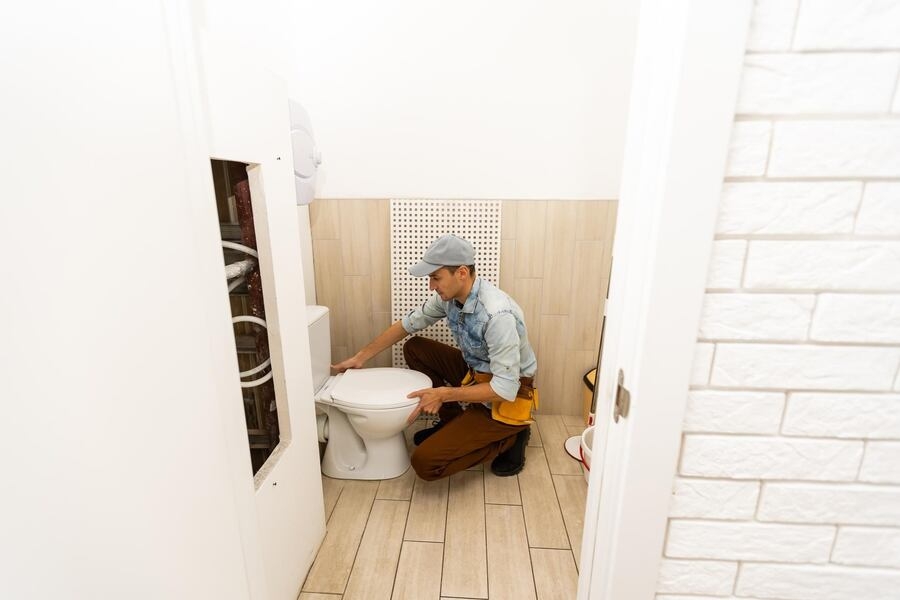
The toilet component can come with a plastic or metal ring that is screwed to the floor and has notches for bolts fitting through the bottom of the toilet and holding it down. If you have the metal type, take note that it is usually the ones that easily fail, as the humidity under the toilet will corrode it. When this happens, then your toilet would become unstable and would rock when you sit on it. Now, this movement would over time disturb the wax ring that seals the flange’s interior and cause it to fail, which is characterized by water on the floor and bad smell. You should address this problem immediately by replacing your rusted toilet flange with a new one. Follow these steps:
To access the flange, first you need to pull the toilet up, but make sure the water supply is off. By doing this, any damage to the flange ring will be instantly seen. If you see that a repair ring will not work, then your only option is replacement.
Once the bolts are removed and keep in a safe place, cut the flange off the pipe in a way that fits your plumbing specifications. If the flange is connected to a vertical pipe, cut the pipe at an area that lets you to easily glue on a coupling and a certain length of new pipe later on. If it is connected to a closet bend, then you have to remove a certain part of your flooring or go underneath it in order to cut off the bend of the horizontal pipe.
When removing an old flange, it is most likely that you will also have to repair the subfloor that has been soaked for a time because of the leak and got rotten.
After repairing the subfloor, temporarily position the flange in place and see if the top of its ring is leveled with the finished floor, though you can have an allowance of less than .25 inch lower to the floor. If it does not meet these things, then cut back some of the floor covering or add plywood to the subfloor.
Once you are sure that that flange’s level with respect to the finished floor is correct, you can already start the actual installation.

A kitchen stays busy all day. When something slows down the flow of…

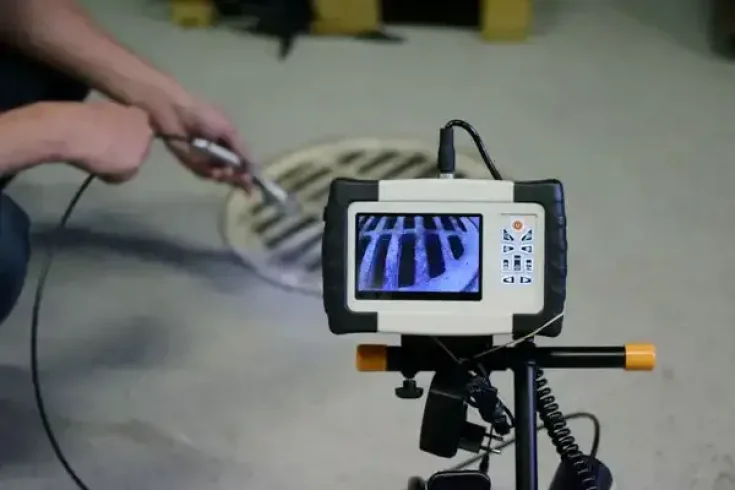
A good look inside a drain line tells you the truth faster than…

A sewer line problem interrupts daily life quickly. Rooter Guard sees this…

A plumbing system reaches a point where repairs stop making sense. Many homeowners…

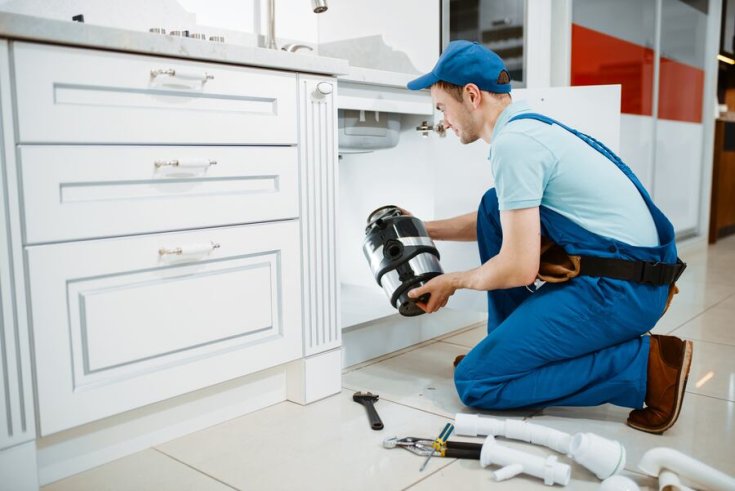
A dead disposal can bring a busy kitchen to a stop. When that…
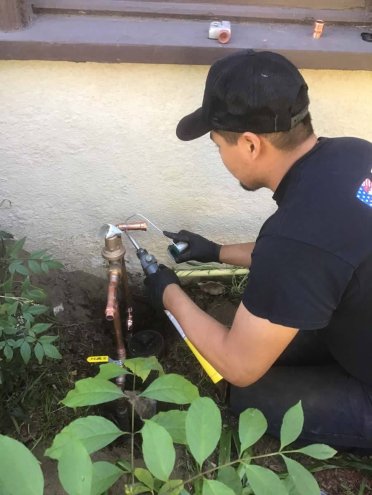
Water pressure can make or break your plumbing experience… almost literally. Low water pressure can make washing pots and pans a nightmare, and high water pressure can push water through joints and crevices before causing a burst pipe. Water pressure problems are sneaky and often start small, but they usually…
Learn More