Menu

Call This Thursday Get $50 Off Today
24 Hour Services
7 Days a Week
Call This Thursday Get $50 Off Today
24 Hour Services
7 Days a Week
Before you can remedy any problem, you ought to know the real cause. Water heater leaking from the relief valve is a very common problem. You should know that every water heater has a relief valve, also known as a temperature & pressure relief valve. This valve is supposed to let steam or water out when the temperature of the water rises to 210 degrees and the pressure reaches 150 psi. There are some water heaters that may have different temperature and pressure thresholds.
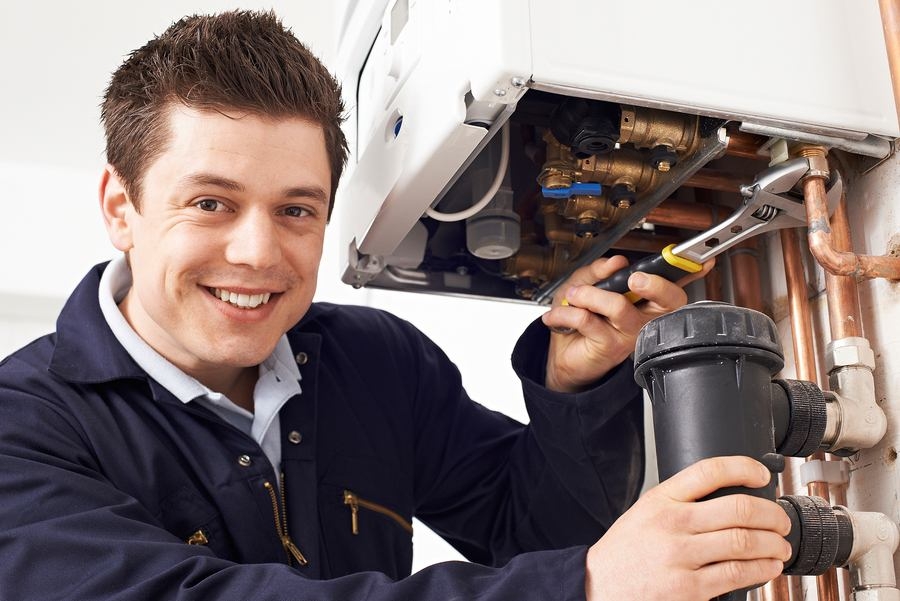
The moment you find water dripping down the water heater or sprinkling out, you should be cautious but don’t panic. Here are the steps you can take when you see a water heater leaking from the relief valve.
You also need to make sure you have the right kind of relief valve. You cannot use a boiler relief valve in a contemporary water heater. You cannot use a valve that doesn’t fit the model or design. You should have the valve that your manufacturer or the brand of the water heater has recommended. If the valve is not identical or it is damaged, then you should get it replaced. A wrong valve or a damaged valve may even leak water at 30 psi which is insignificant compared to 150 psi.
Do not replace the original valve unless you are certain. But if you have replaced the valve in the past, then spending another fifteen bucks or so to get a new valve should not trouble you. If you are completely unaware of how to replace the valve, it is better to hire a plumber.
Get a thermometer and measure the temperature of the water. Turn on the faucet, collect some hot water and insert the thermometer to get an accurate measurement. If it is close to or exceeding 200 degrees then you should turn down the temperature setting by a few notches. You should ideally go for 120 degrees and at the most 150 degrees. Humans don’t need water to be that hot. You would also be using more energy.
Get a garden hose, connect a pressure gauge, fix it to the faucet and let the water drain out to the tub, bucket or outside. You will get the reading. Try to stay within 40 psi to 80 psi.

A kitchen stays busy all day. When something slows down the flow of…

A good look inside a drain line tells you the truth faster than…

A sewer line problem interrupts daily life quickly. Rooter Guard sees this…

A plumbing system reaches a point where repairs stop making sense. Many homeowners…

A dead disposal can bring a busy kitchen to a stop. When that…
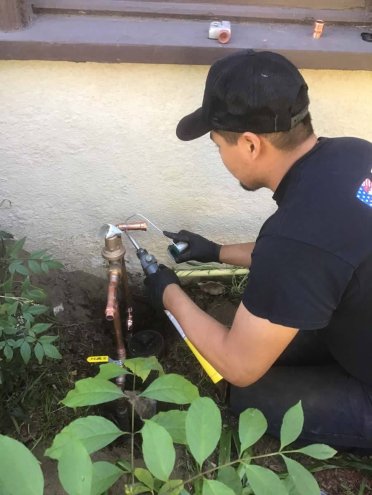
Water pressure can make or break your plumbing experience… almost literally. Low water pressure can make washing pots and pans a nightmare, and high water pressure can push water through joints and crevices before causing a burst pipe. Water pressure problems are sneaky and often start small, but they usually…
Learn More